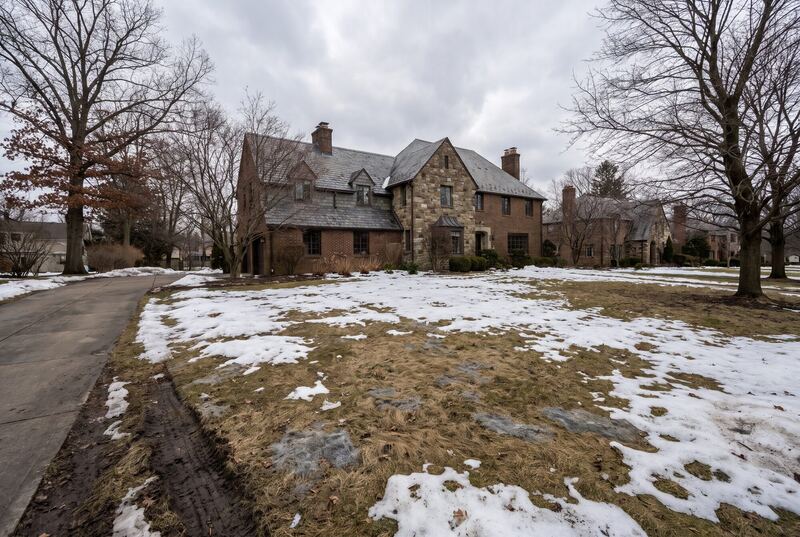
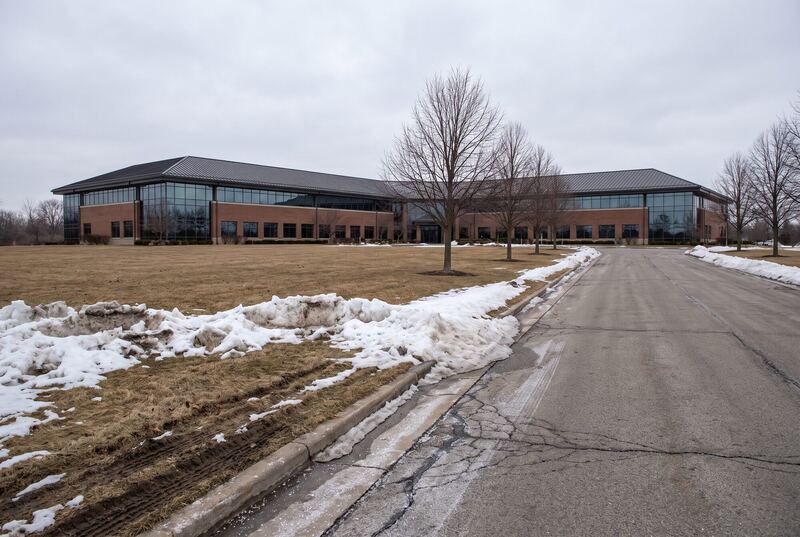
It may be gone
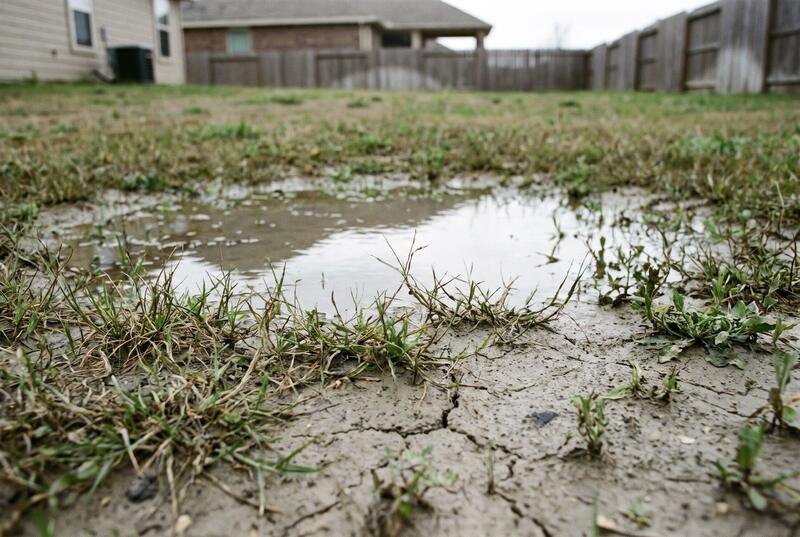
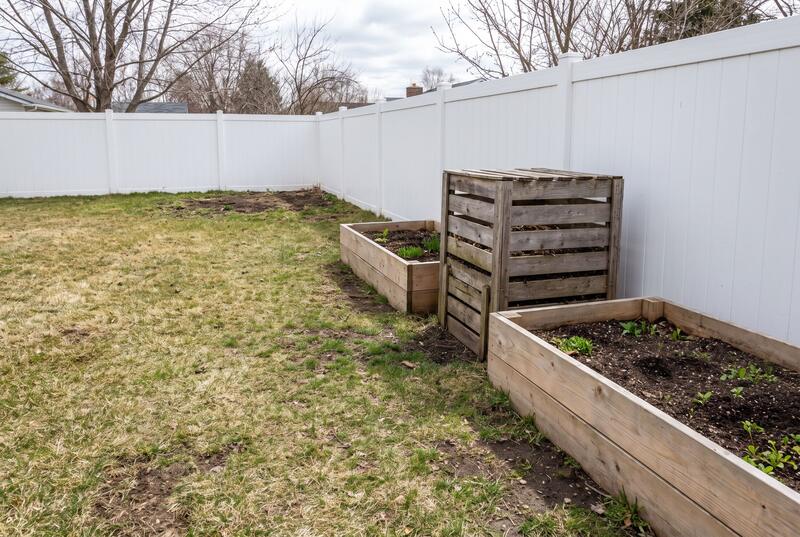
University of Georgia Extension says topsoil may be harvested and sold before construction, and that digging and leveling turn the soil layers over. What’s left to plant in can be subsoil or fill dirt.1


You figured the good topsoil went back when the construction crews left. Sometimes very little of it does, and the grass ends up on packed clay. Buckeye Fertilization can show you what’s under yours, with a plug pulled from your own lawn. Fertilization and lawn treatment for homes and commercial grounds in Medina and across northeast Ohio.
You chose the lot, the brick and the windows. You took it for granted that the construction crews would set the topsoil aside and carefully return it when they finished. Then the lawn went in, looked fine for a while, and never really took.
University of Georgia Extension says topsoil may be harvested and sold before construction, and that digging and leveling turn the soil layers over. What’s left to plant in can be subsoil or fill dirt.1
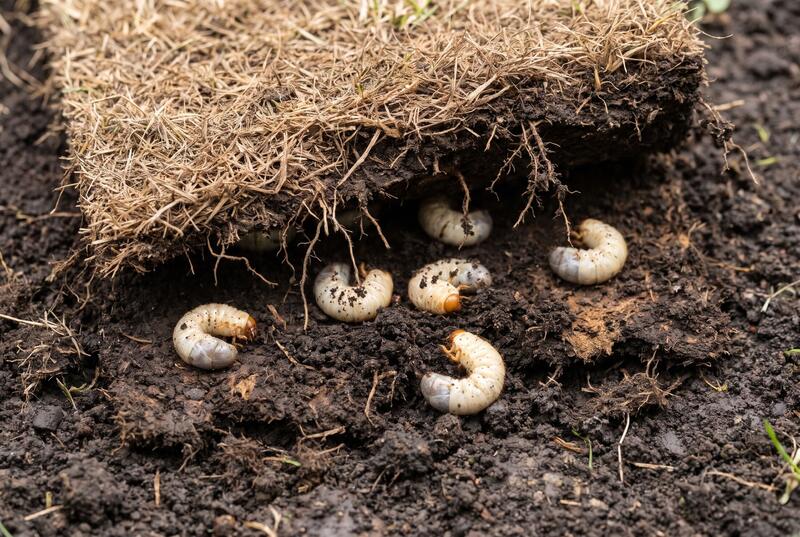
Heavy equipment closes the pore spaces that let air and rain into the soil.1 Penn State says subsoil at a building site is often severely compacted.2
Penn State’s typical minimum of good topsoil for a new lawn.2 On subsoil, Michigan State’s Paul Rieke wrote, sod can look good at first, then roots stay shallow and the turf thins out.3
Nobody can tell you how much topsoil you have.
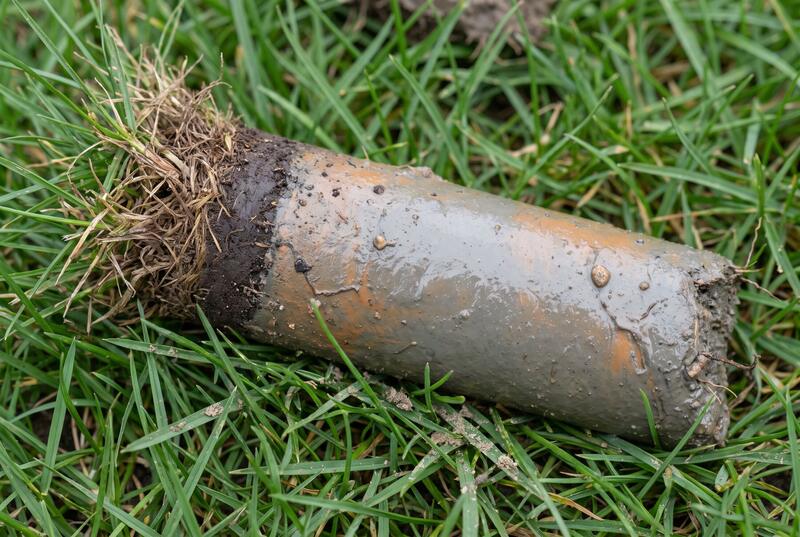
We pull a plug from your lawn and break it open in front of you. You’ll see the topsoil, if there is any, and the clay under it.
The clay is packed too hard for roots.
We core aerate the whole yard, with extra passes in different directions over the worst of it.
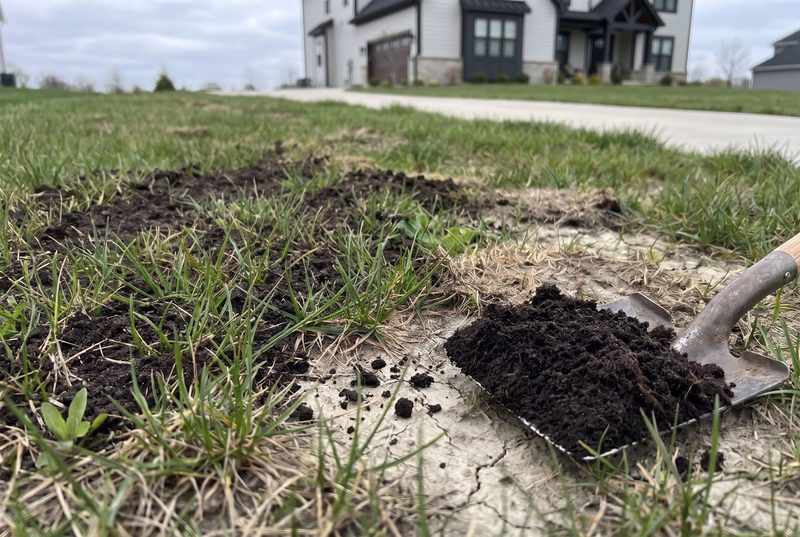
The layer the grass needs is missing.
We top dress with half topsoil and half peat moss, building the layer up over repeated applications. Ohio State says to apply no more than a quarter inch at a time on an existing lawn, so this is steady work and not one visit.4
You don’t know what it will take.
The free Buckeye Plan puts it in writing: what to fix first, when, and what it costs. It’s yours to keep whether you hire us or not.
“I use 50% topsoil, 50% peat moss. It helps break down the clay a little bit, and the soil gets a little looser, with better drainage for the grass.”
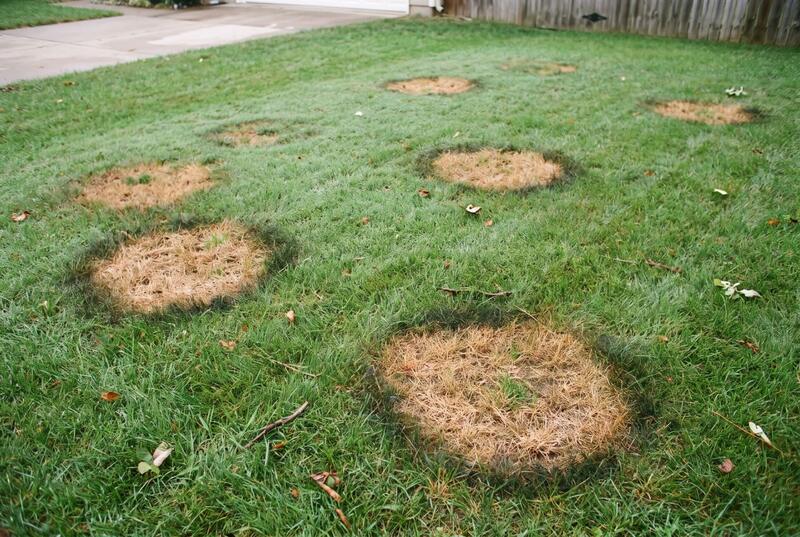
You’ve seeded it, fed it and watered it, and it still looks tired next to everything else you’ve put into the place. Bob will find out why and tell you what it takes to fix it.
Have Bob look at my lawn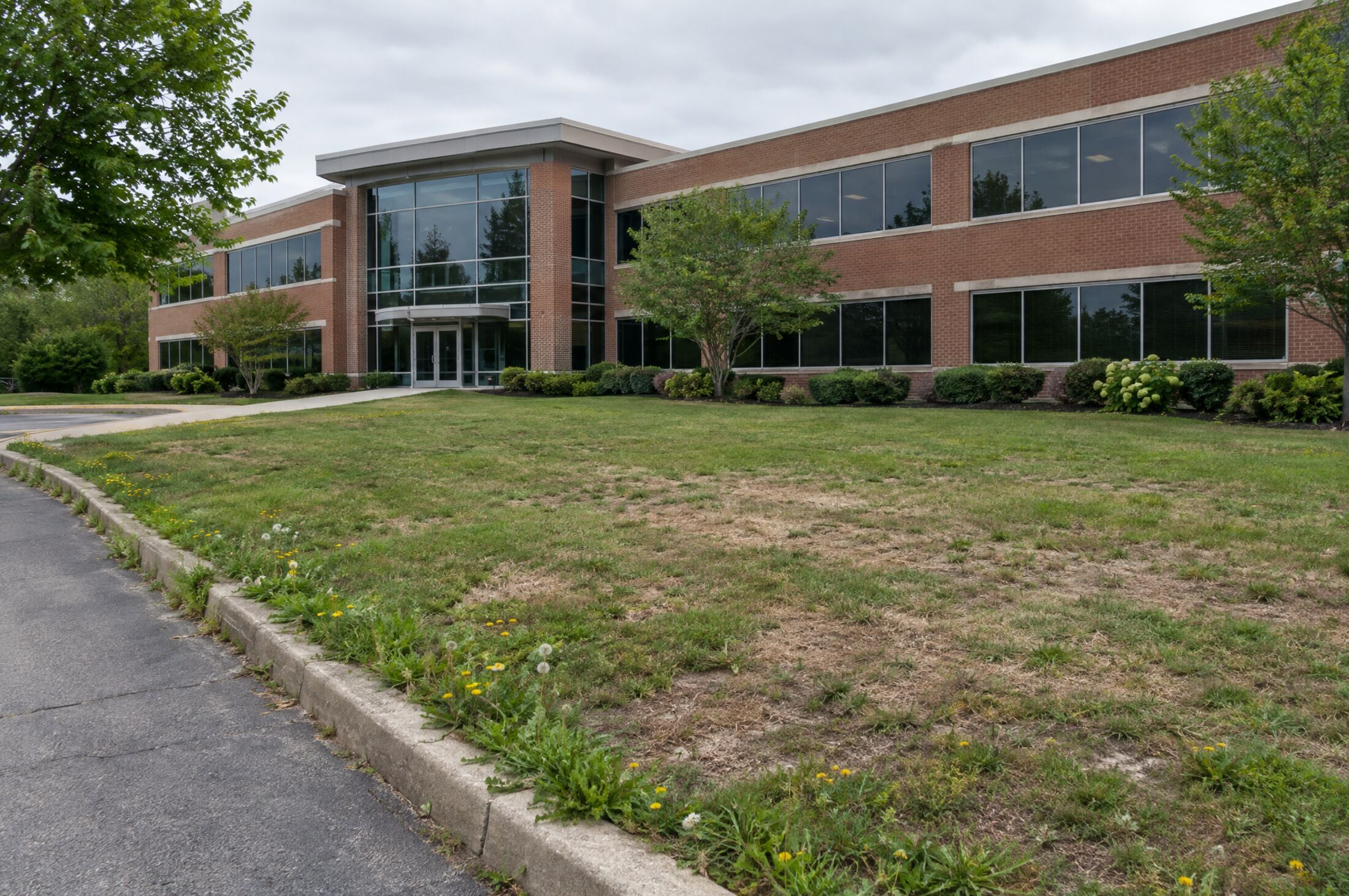
The mowing crew keeps it short, but nobody’s responsible for keeping it healthy. Bob builds turf programs for large properties, shaped around your site and what people see first.
See commercial servicesThe last snow here averages the second week of April, and the crabgrass barrier has to be down about then. Seed or block, what to fix first, what it costs: those decisions come first. So Bob will make your 2027 plan with you now, for free, and it’s yours to keep whether you hire him or not.
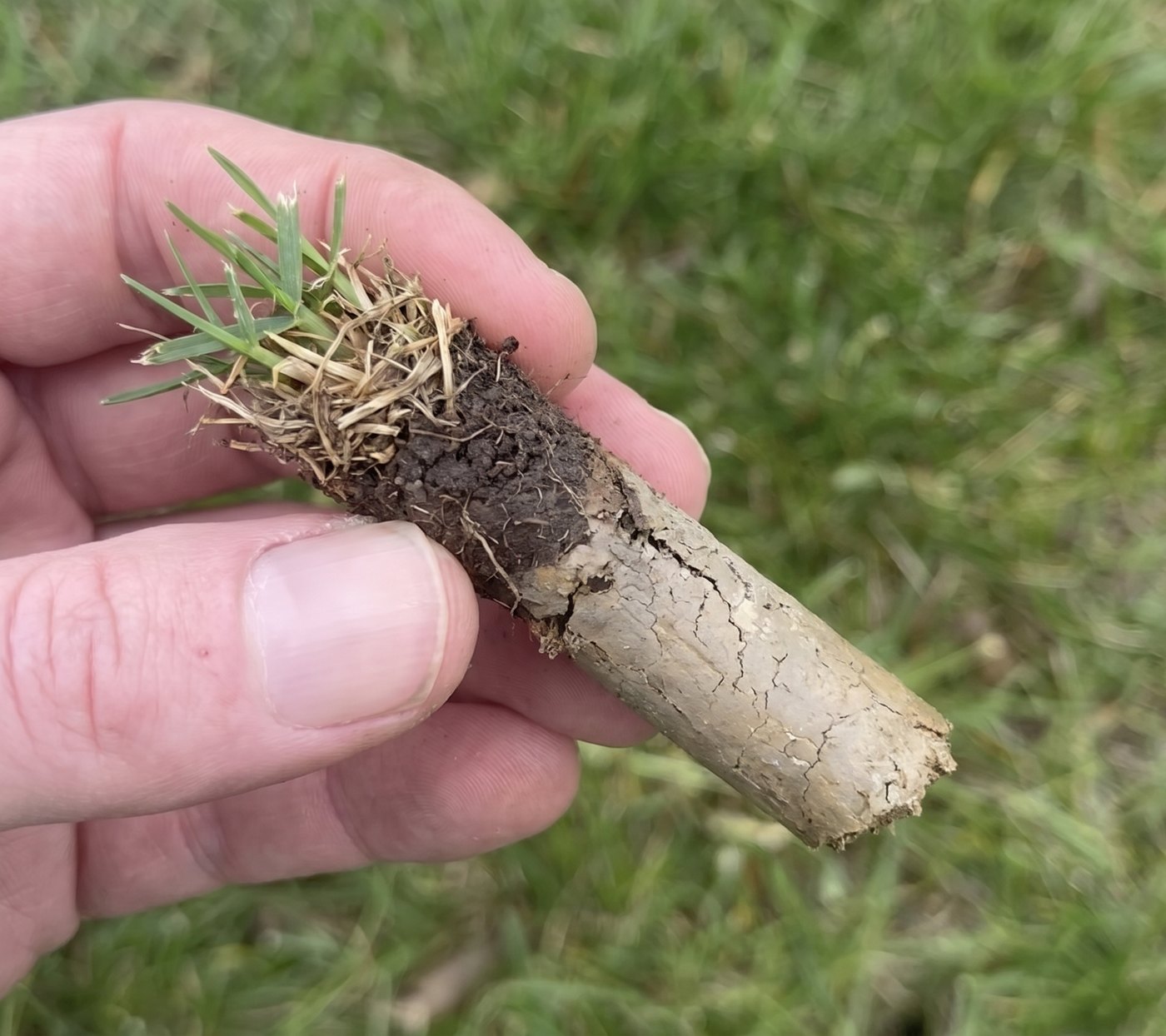
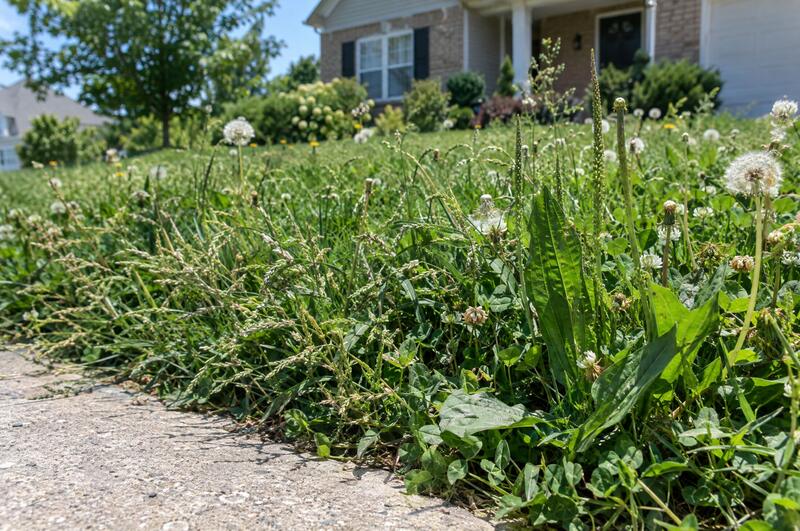
One of Bob’s customers had a section of yard that had dried up completely, not far from grass that was doing fine. It was a brand-new house, and it didn’t make any sense.
Then Bob pulled a plug. The healthy section had real topsoil under it. The dead section had almost none, just a thin layer over clay that was packed rock hard. The grass had nothing to grow in.
“A little bit up here is going to be your topsoil. You can kind of see it break up a little bit easier than the clay down here.”
Bob aerated the whole yard and made two passes over the worst of the clay, one in each direction. Next spring he’ll come back and top dress it with half topsoil and half peat moss, building up the layer that was missing in the first place.
It isn’t a one-visit fix. But for the first time, the homeowner knows what’s wrong and what happens next.
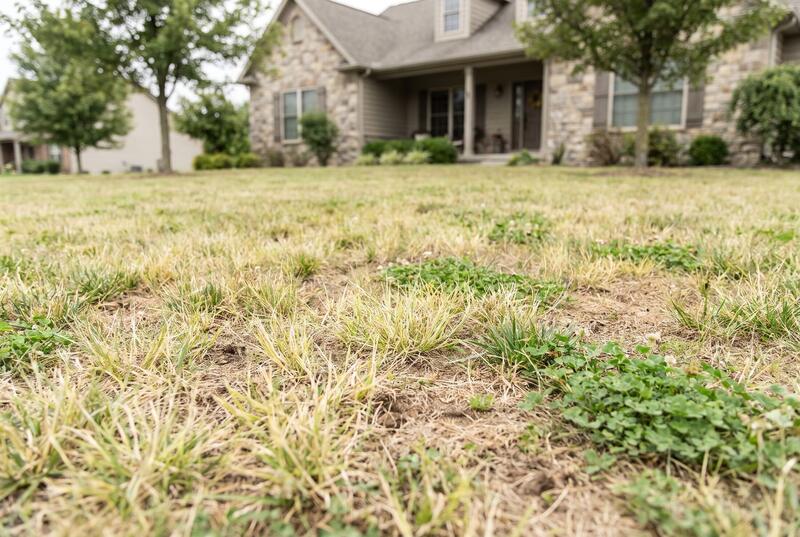

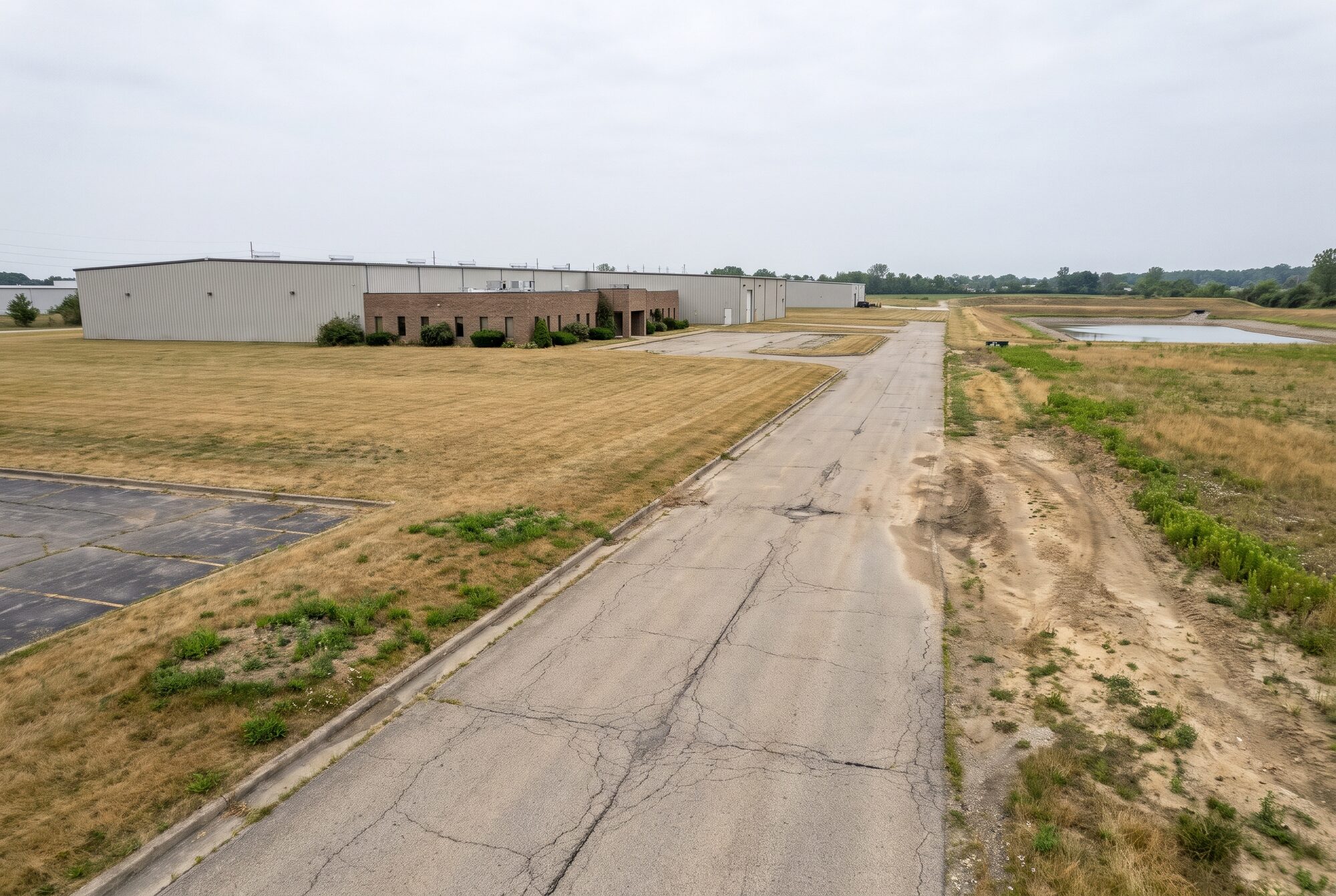
Office parks, industrial sites, HOA common areas and campuses. Bob walks the whole site, pulls plugs in every zone, and gives you a written scope and budget you can take to your owner or board.
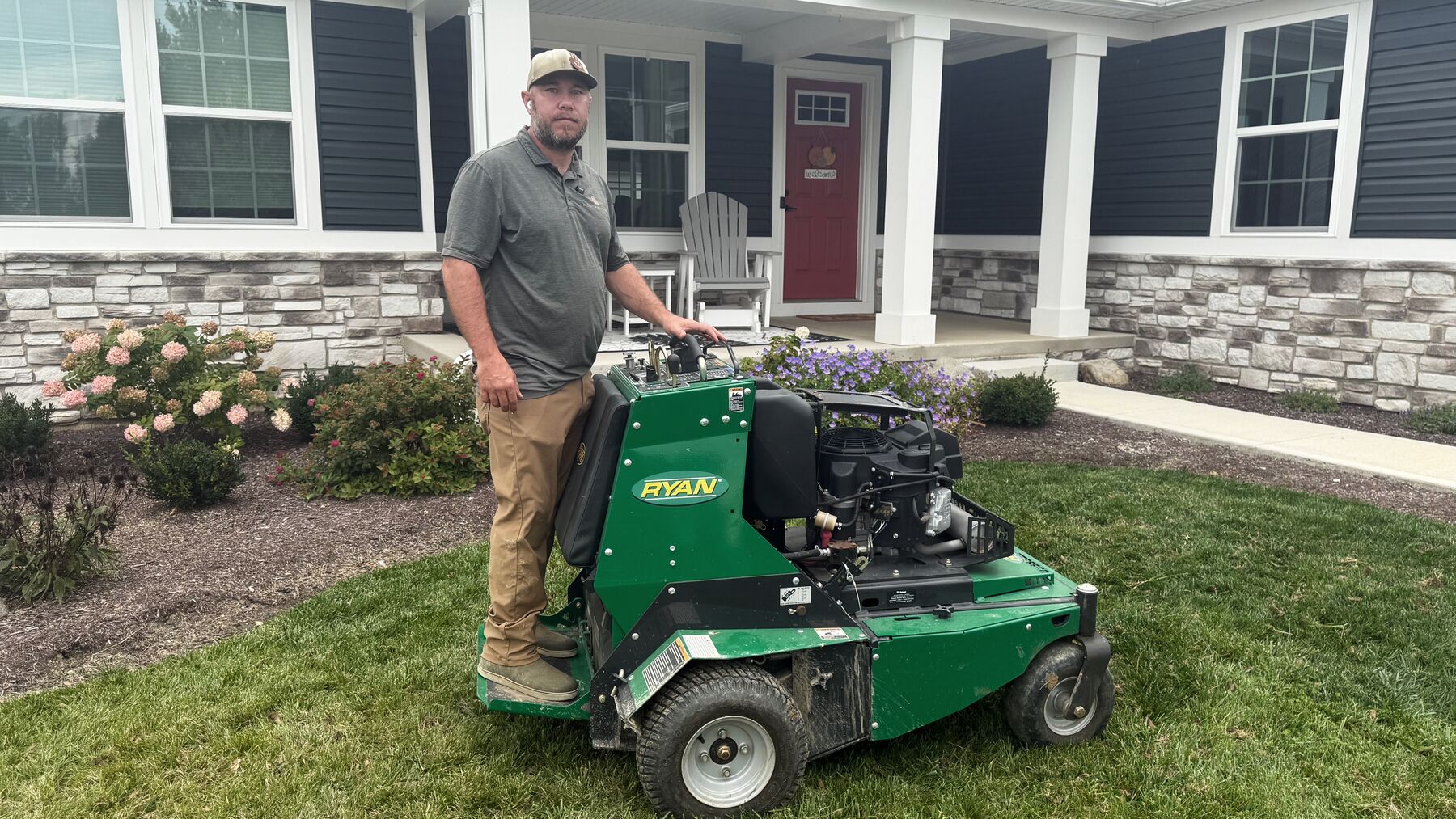
Robert “Bob” Raeke has more than 15 years in the industry, and Buckeye Fertilization is still a family-run business. We don’t mow and we don’t plant shrubs. Bob looks after the turf and the soil under it.
Call or send a quick note about your property.
Bob walks the lawn and looks at what’s under it.
Just what your property needs, in plain English.
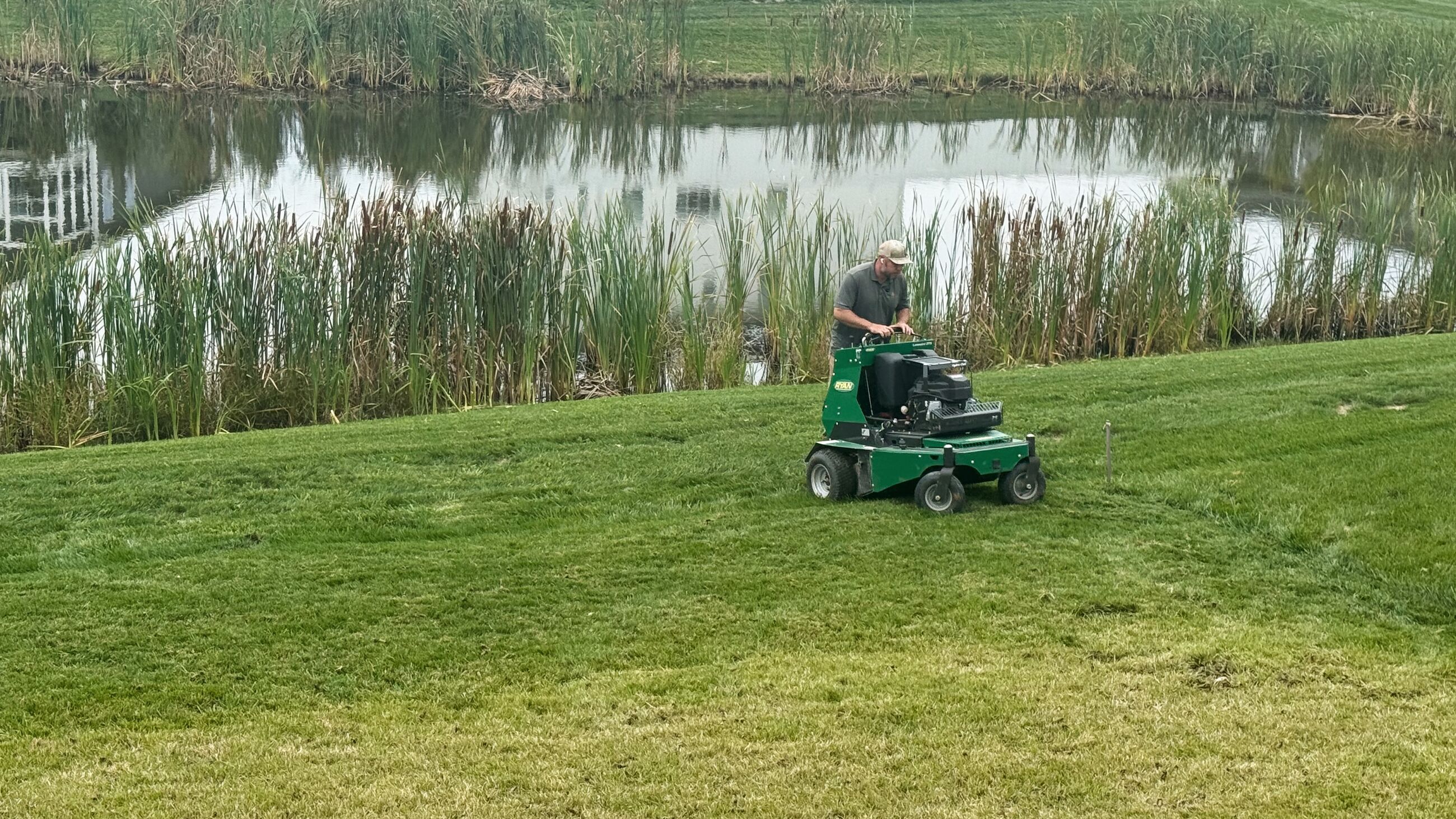
A thicker, healthier lawn with roots that go somewhere, and you finally understand why.
“People often ask me how my lawn looks so good and I tell them that it’s thanks to you.”
“It’s never been greener!”
“My property is small, but it’s the nicest on the block.”
Tell Bob a little about the property. He’ll walk it, write the plan and go over it with you at no cost, whether you hire him or not. Would you rather talk it through?
(330) 636-6089