N, P and K
Each does a different job. Ohio State ties nitrogen to growth and green color, phosphorus to root development, and potassium to disease resistance and winter hardiness.1

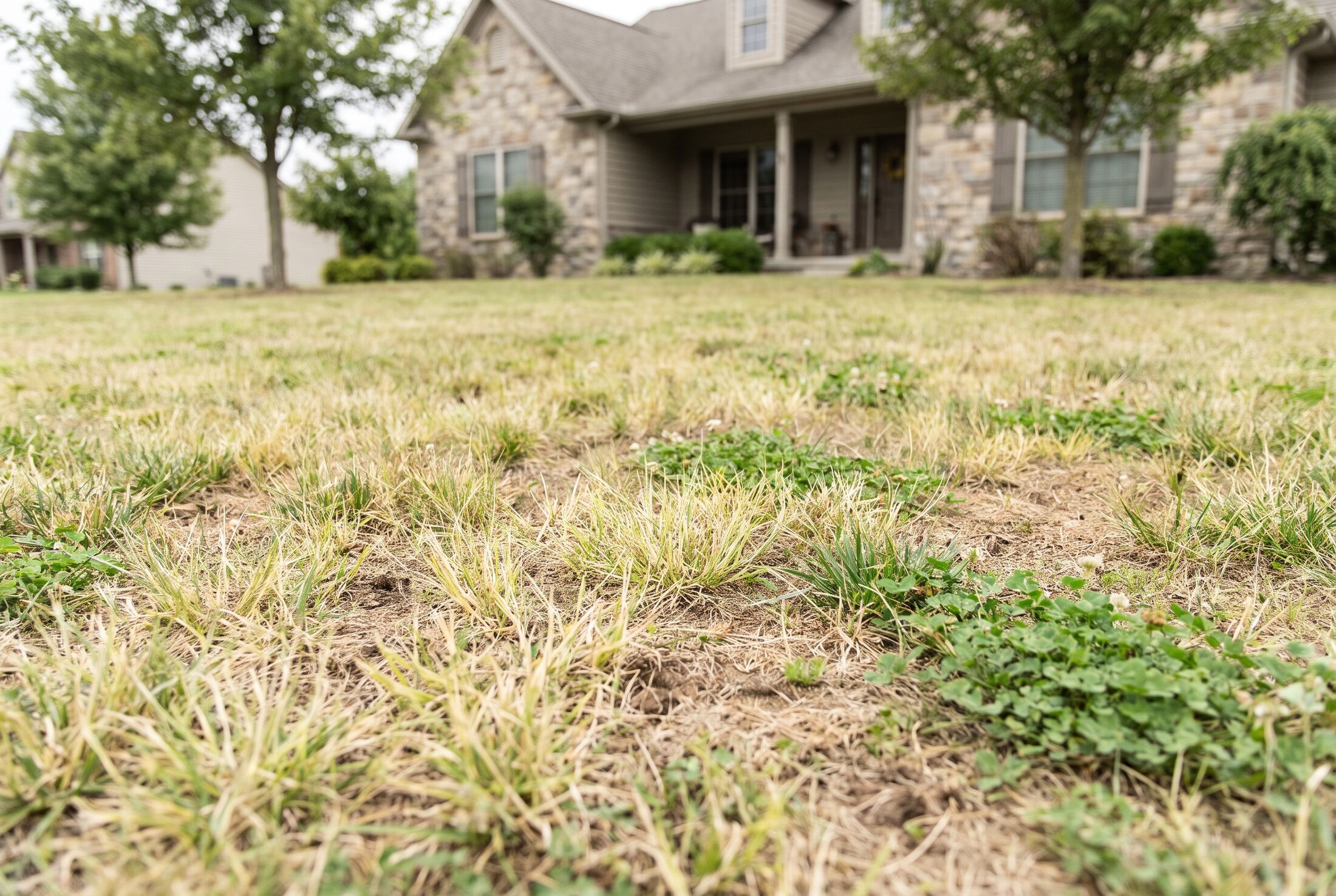
Water won’t help if what’s missing is food. A lawn that’s thin and yellowing, with soil showing through, is often underfed, and the bag at the hardware store doesn’t know your yard.
Purdue’s turf specialists describe the pattern: the leaves yellow, soil becomes visible at the base of the plants, and the lawn loses density. Clover and other weeds move into the gaps.4
Feeding more isn’t automatically the answer. Too much nitrogen pushes extra top growth and can bring on more disease and insect problems, and fast-release products are the most likely to burn. What your lawn needs, and when, is the question worth answering.4
Each does a different job. Ohio State ties nitrogen to growth and green color, phosphorus to root development, and potassium to disease resistance and winter hardiness.1
Ohio State’s organic lawn care guide says late summer and late fall feedings are best for home lawns, because that’s when grass is enlarging its root system.1
Ohio State’s newer guidance recommends early fall application in northern Ohio and warns that badly done late-season feeding can cause environmental problems. It doesn’t recommend late November.2, 3
Ohio State’s suggested range of actual nitrogen per 1,000 square feet of lawn per year. How it’s split across the season matters as much as the total.2
Ohio State notes phosphorus has been removed from almost all lawn applications because of environmental concerns, and should go down during establishment or when a soil test calls for it.2
Purdue reports that properly maintained and fertilized lawns considerably reduce runoff, sediment and nutrient losses. Ohio’s Lake Erie task force adds a simple rule: keep fertilizer off walks and driveways.4, 5
You’re not sure what the lawn is short on.
Bob looks at the lawn and, where it matters, tests the soil, so phosphorus, potassium and pH are decided by evidence.
Your only feeding happens in spring.
He weights the program toward fall, when the grass is building roots, with northern Ohio timing.
You’re worried about burning it or overdoing it.
He uses a measured rate across the season and doesn’t feed dormant or drought-stressed turf.
Granules end up on the driveway.
He keeps product on the grass and off hard surfaces, where it would wash toward storm drains.
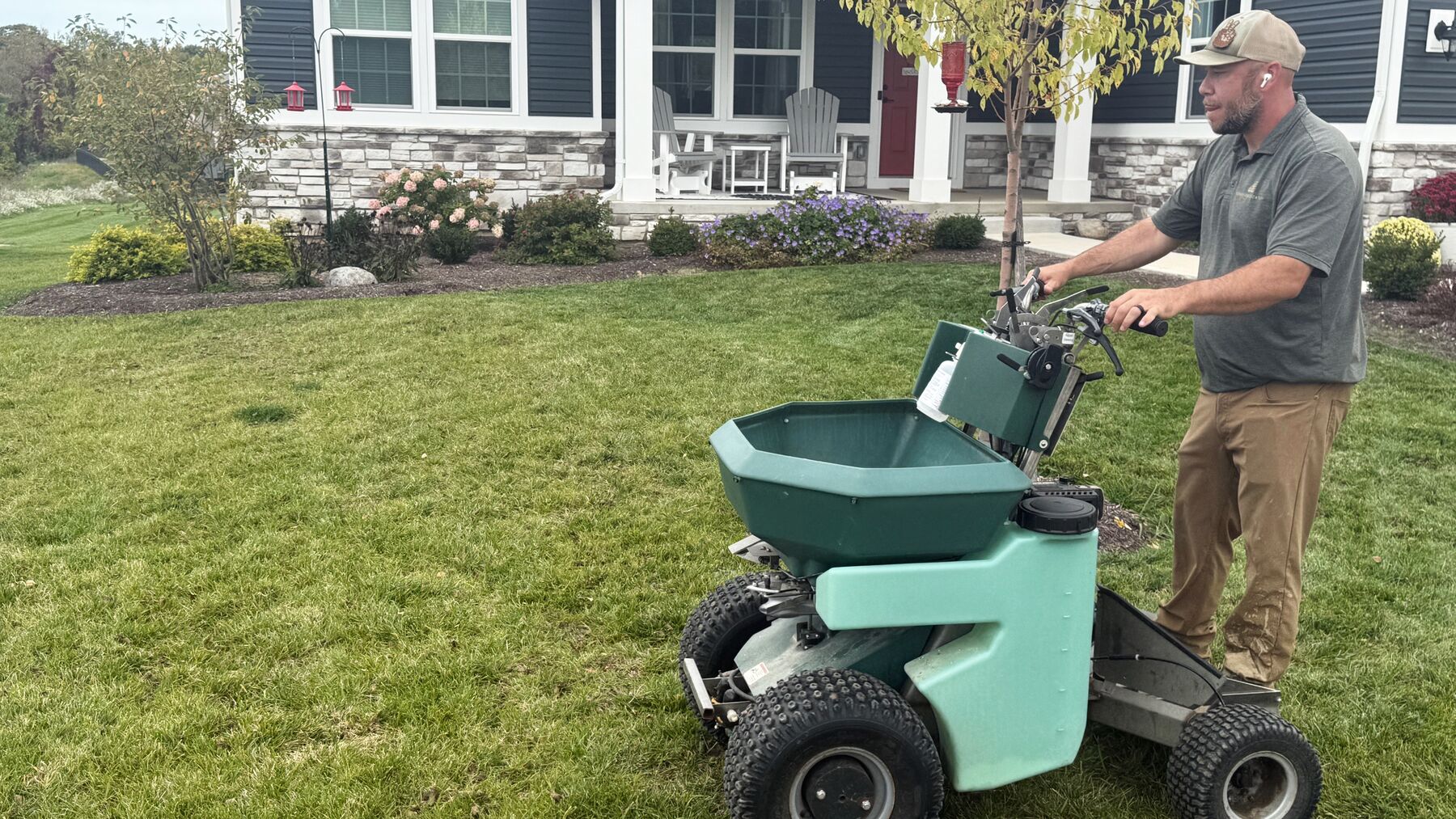
“Nitrogen kind of greens it up, makes it grow. The phosphorus is kind of like a root growth, and potash is kind of an all-around ingredient.”
Bob will walk your property and write your 2027 plan for free, whether you hire him or not.
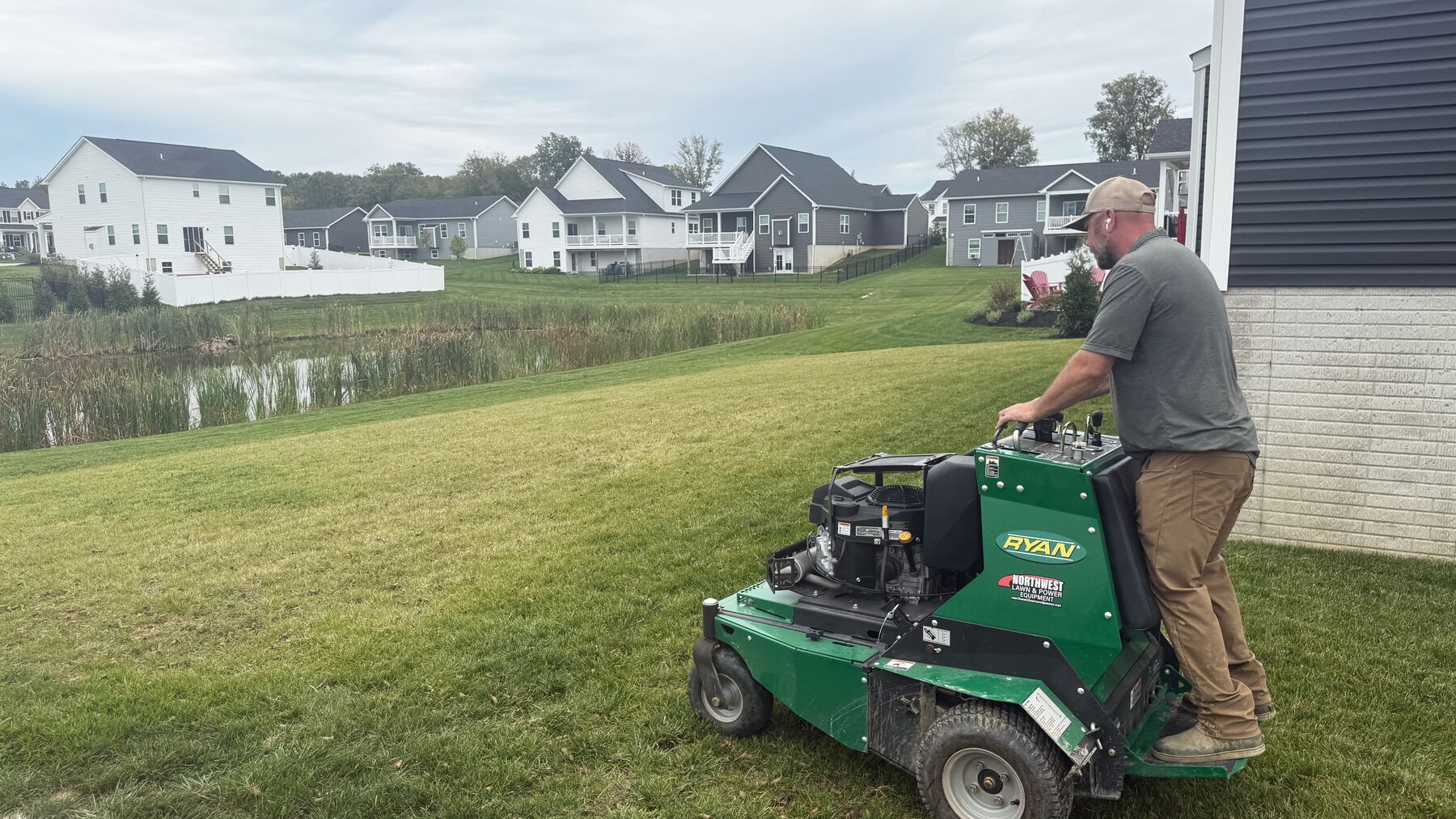
Purdue’s guidance is clear that a properly fed lawn gets denser, and a denser lawn leaves weeds less room.
Tell Bob a little about the property. He’ll walk it, write the plan and go over it with you at no cost, whether you hire him or not. Would you rather talk it through?
(330) 636-6089