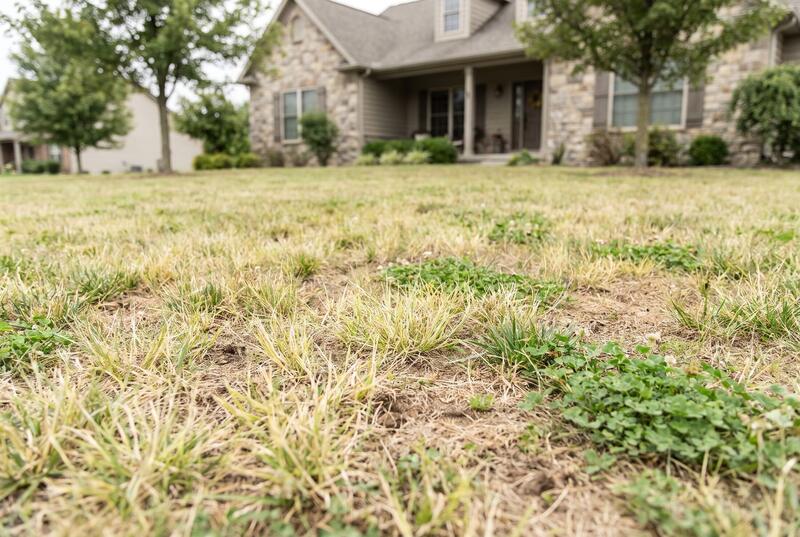
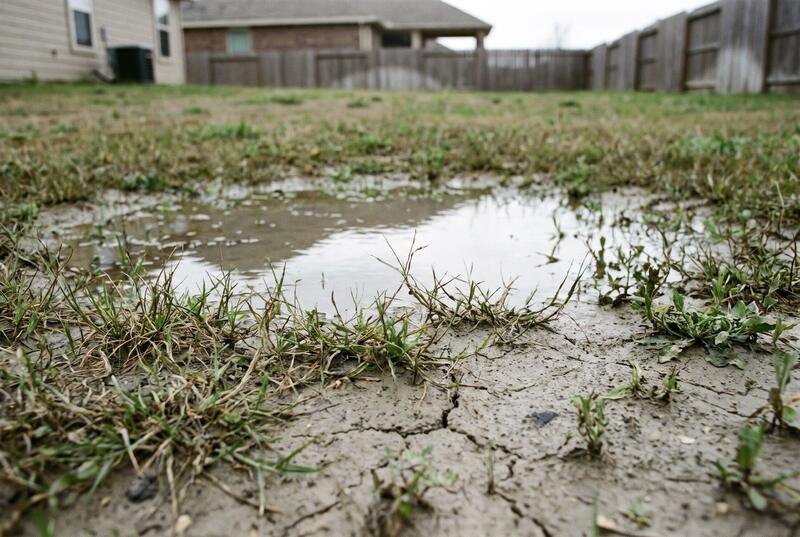
Brown patch
Irregular to circular patches, in hot weather over 80°F with warm nights and wet soil. A large area can blight in 24 to 48 hours. Mostly tall fescue and perennial ryegrass.1, 2

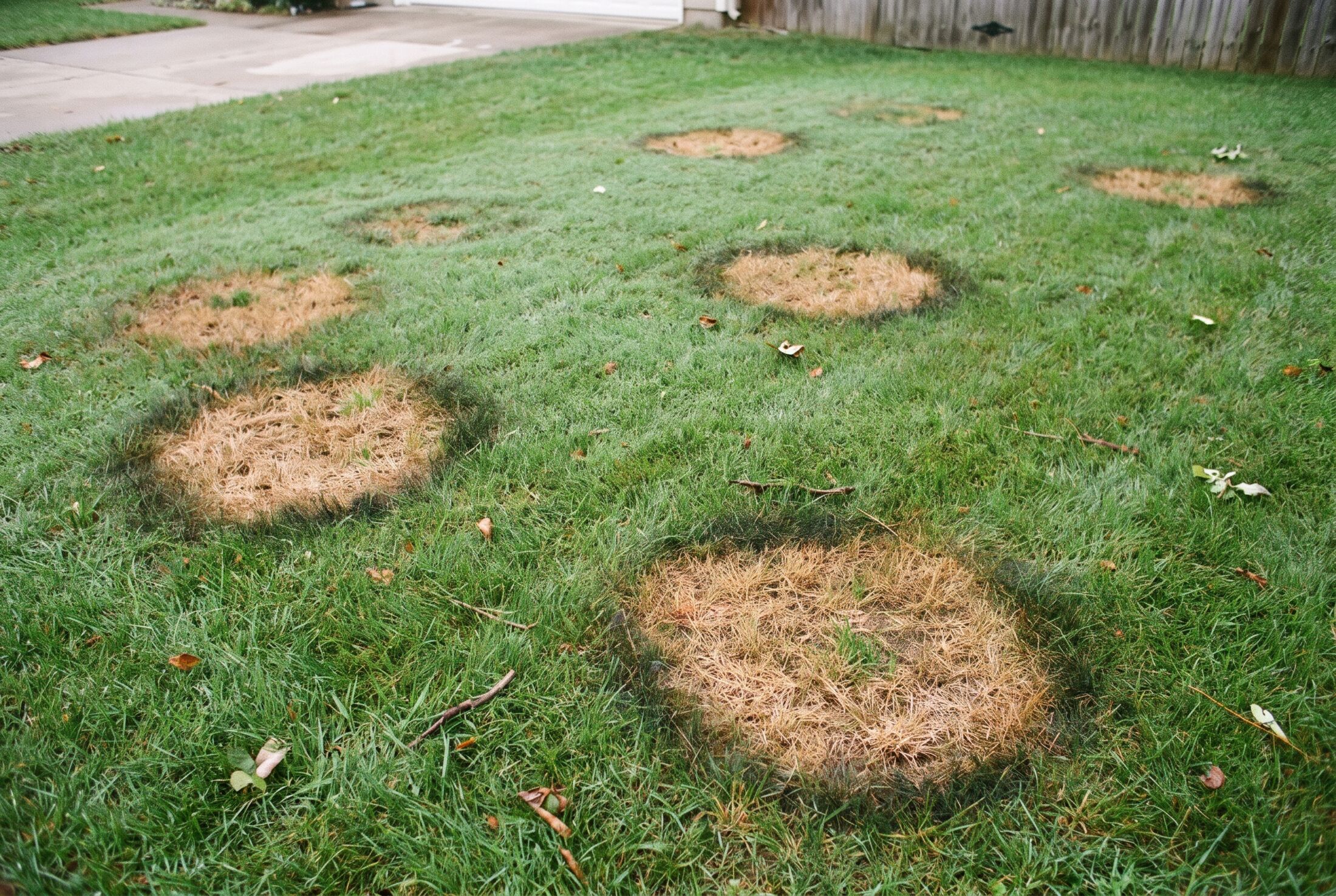
They weren’t there last week. Now there are five. It could be fungus, grubs or drought, and each one needs something different, so the worst move is to start spraying or watering before you know.
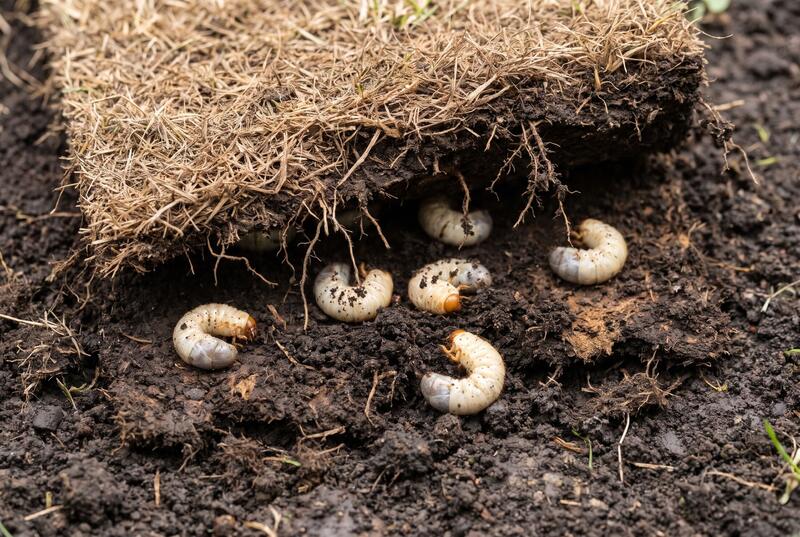
Ohio State’s turf pathologists say the majority of turfgrass problems aren’t caused by disease at all. Weather and maintenance are the main culprits. Grubs and some diseases can both look like drought, and Ohio State reports that crown and root pests often get misdiagnosed as drought or disease.4, 11, 12
When it is disease, the details decide the fix. Too much nitrogen makes brown patch worse, while too little makes dollar spot and red thread worse. Watering late in the day can feed brown patch, while dry soil favors dollar spot. Treating the wrong one can make it worse.2, 3, 5
Irregular to circular patches, in hot weather over 80°F with warm nights and wet soil. A large area can blight in 24 to 48 hours. Mostly tall fescue and perennial ryegrass.1, 2
Runs late spring to late fall, and can be prevalent on bluegrass lawns. Ohio State says proper nitrogen greatly reduces how often and how badly it occurs.3
Pink or red threads in cool, wet spring weather, worst when nitrogen or phosphorus is low. Ohio State says heavily infected grass can recover, and it reserves fungicide as a last line of defense.4, 5
Summer patch and necrotic ring spot attack roots, often on sodded lawns with poor site preparation. Ohio State says fungicide has to be preventive for these, and symptoms show well after infection.1, 6
Fungicides work best before symptoms appear. Curative applications don’t kill the pathogen. Ohio State lists resistant grass as the first line of defense.7
If there’s no clear diagnosis, a fungicide probably isn’t justified, and many lawn diseases come with temporary weather. Rust and snow mold usually don’t need fungicide on home lawns.8, 9, 10
You can’t tell what’s wrong.
Bob checks the pattern, the timing, the grass and the roots, and rules out drought and grubs first. Unclear cases can go to Ohio State’s diagnostic clinic.
Your watering might be feeding it.
He’ll look at your schedule. Ohio State’s advice for brown patch is to water in the morning.
Your feeding plan may be part of the cause.
He adjusts nitrogen to fit the disease, since some need less and some need more.
The same rings come back every year.
He’ll talk through preventive timing and overseeding with resistant grass.
You’re wondering if a fungicide is worth paying for.
He’ll tell you. For many diseases, the answer is no.
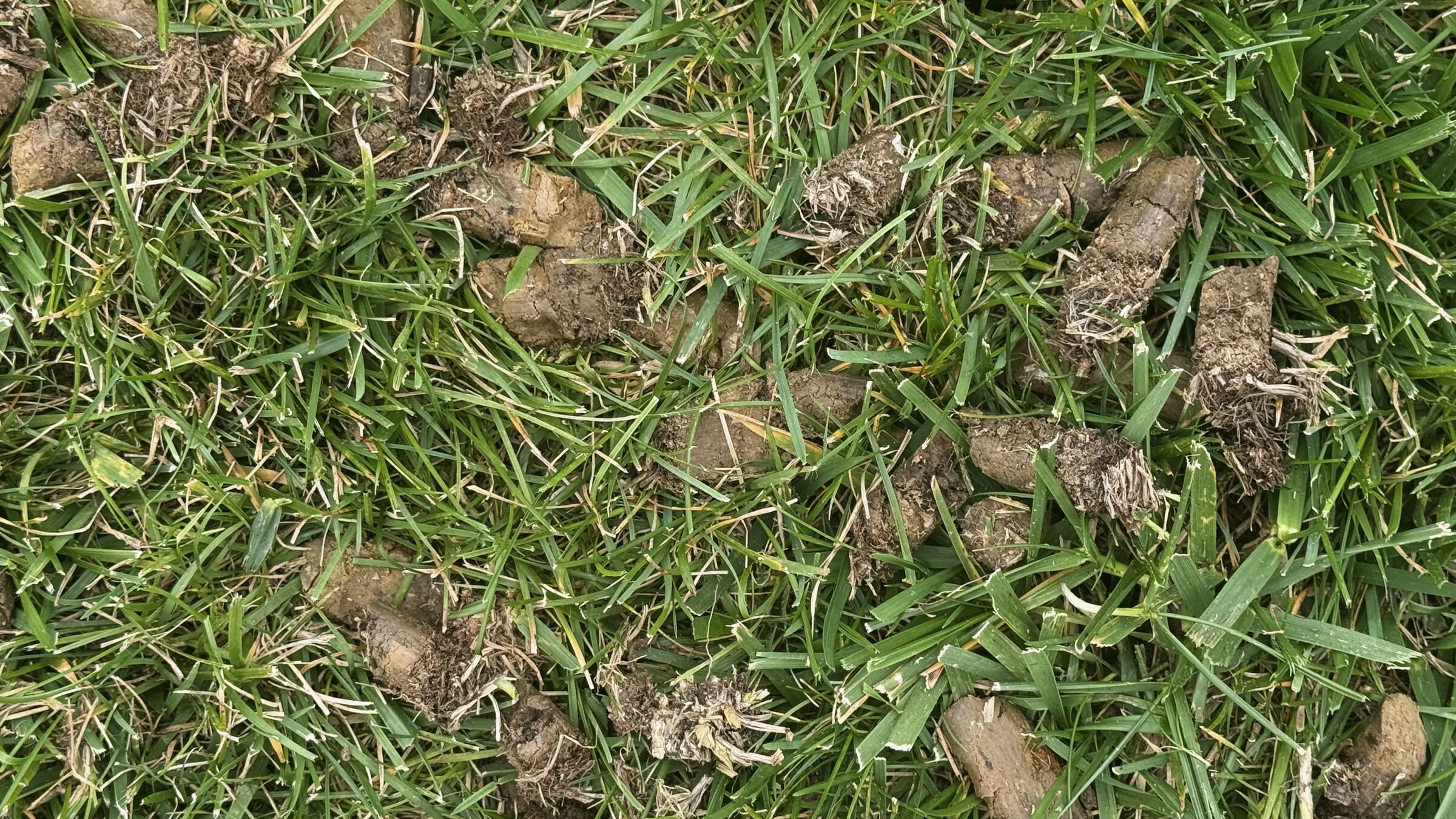
Bob will walk your property and write your 2027 plan for free, whether you hire him or not.
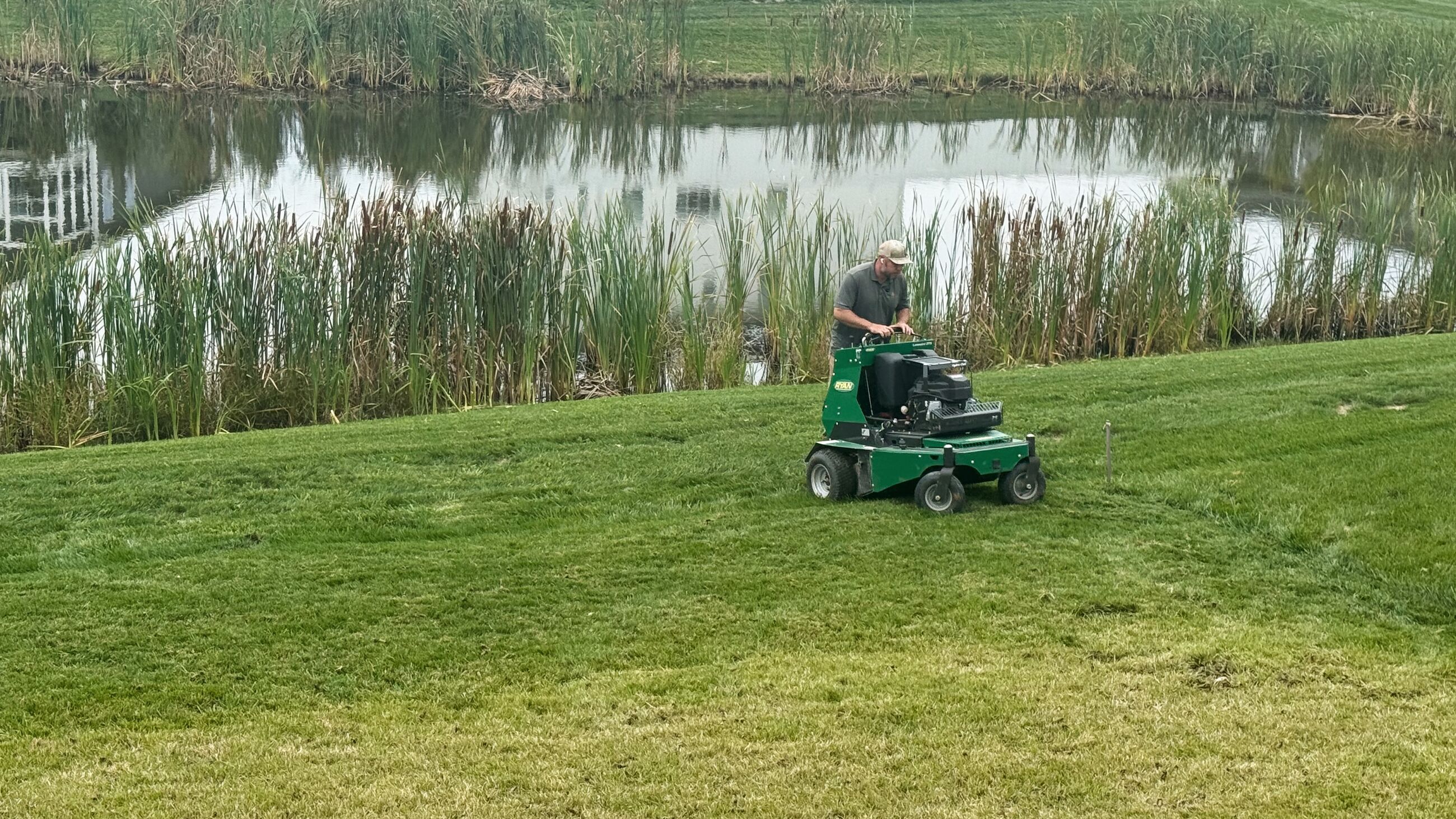
You’ll know what you’re dealing with and what’s worth doing about it. Sometimes that’s a treatment, and sometimes it’s a change in how the lawn is watered and fed.
Tell Bob a little about the property. He’ll walk it, write the plan and go over it with you at no cost, whether you hire him or not. Would you rather talk it through?
(330) 636-6089