One inch of water
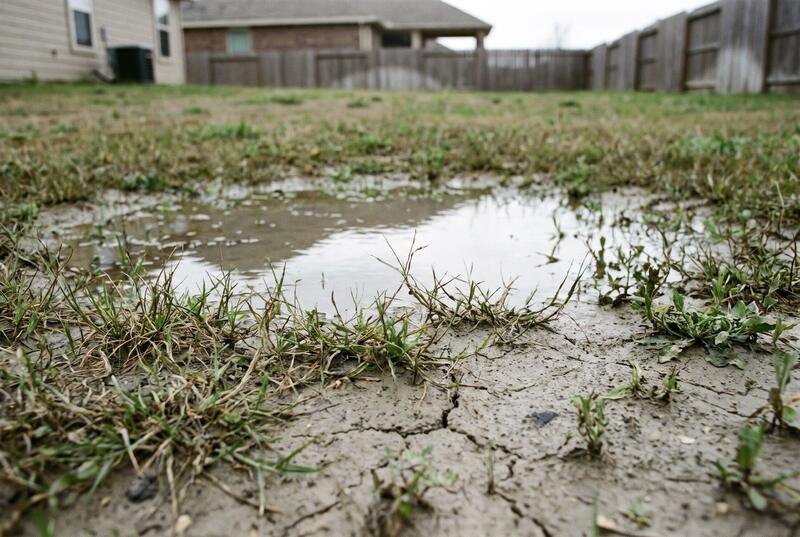
Medina County Health says mosquitoes can breed in as little as an inch of standing water, including any puddle lasting more than four days.1


Dinner’s ready and the lights are on, and soon everyone’s slapping their ankles and carrying plates back inside. In Medina County, it’s also more than a nuisance.
Medina County Health Department reported West Nile-positive mosquito samples from five locations in the county in 2026, and the county’s first reported human case of the 2025 season. It keeps traps running at 17 locations and sent 6,336 mosquitoes for testing in 2025.7, 8, 9
Close to home, the northern house mosquito is found in every Ohio county, and it bites in the evening. It breeds in catch basins, bird baths, flowerpots, gutters and ponds, rests in the shade by day, and generally stays within about three-quarters of a mile of where it hatched. So what’s biting you may have come from your yard, or from close by.10
Medina County Health says mosquitoes can breed in as little as an inch of standing water, including any puddle lasting more than four days.1
The EPA says egg to adult typically takes about two weeks, and can range from 4 days to a month. A clogged gutter has plenty of time.2
A 2019 peer-reviewed review found barrier sprays can substantially reduce some species, like the Asian tiger mosquito. Results vary, one trial showed no effect on the northern house mosquito, and rain shortens the effect.3
One study found spraying plus removing breeding sites beat spraying alone at 25 days. The University of Wisconsin calls reducing standing water the most effective way to lower populations.4, 5
Ohio State notes pyrethroids are also toxic to pollinators, and most labels prohibit spraying flowers being visited by bees.6
Ohio State says only six of Ohio’s 65 mosquito species pose a threat of disease transmission. Repellent remains the county’s recommended personal protection, and yard treatment doesn’t replace it.6, 1
You don’t know where they’re coming from.
Bob walks the property looking for breeding and resting sites, which is where the CDC’s integrated approach starts.
Water collects around the house.
He’ll point out what to empty, drain or fix first, like gutters, covers and low spots.
There’s water you can’t drain.
He’ll talk through larvicide options, which target larvae before they mature.
They’re still biting in the evening.
He treats the shady foliage where adults rest and sets honest expectations for how long it lasts.
You’re concerned about pollinators.
He follows the label and stays off blooms that bees are visiting.
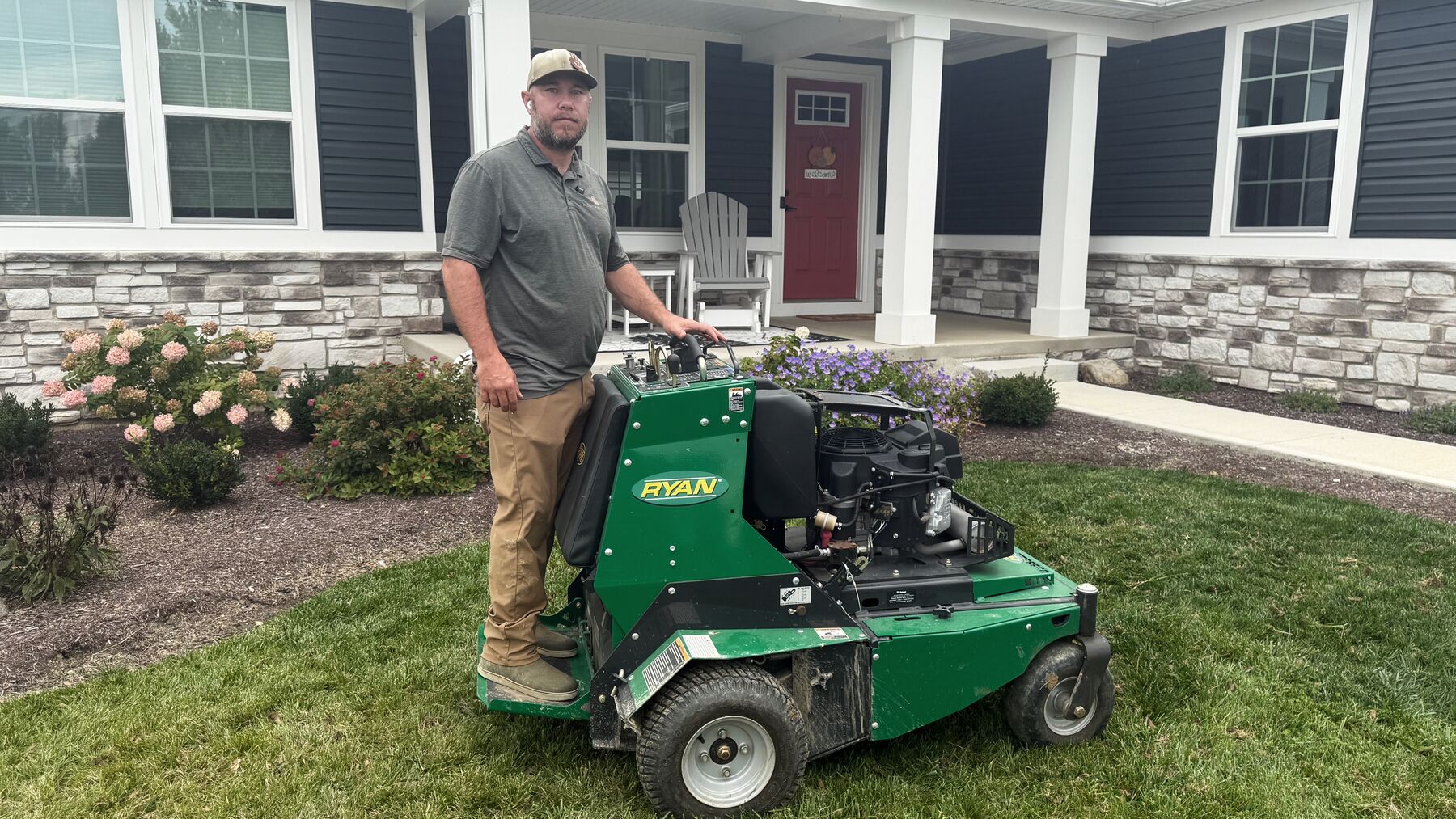
Bob will walk your property and write your 2027 plan for free, whether you hire him or not.
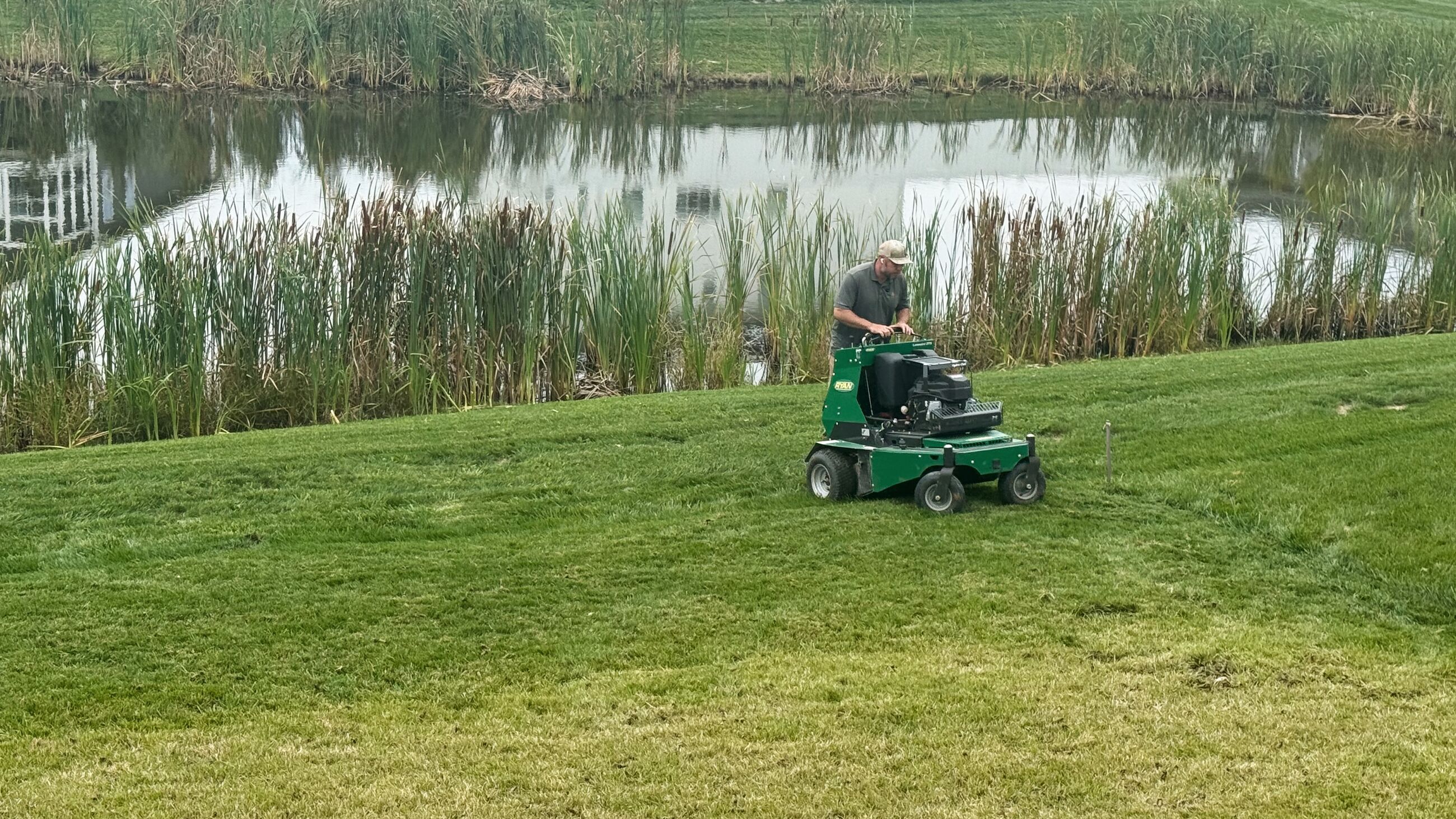
Treatment reduces mosquitoes rather than eliminating them, and results vary by species and weather. Combined with removing their water, it gives you the best shot at using that patio.
Tell Bob a little about the property. He’ll walk it, write the plan and go over it with you at no cost, whether you hire him or not. Would you rather talk it through?
(330) 636-6089