Fed by microbes
Natural-source fertilizers come from animal manures and other once-living material. Penn State explains that soil microbes release the nitrogen, so temperature, moisture, oxygen and pH all affect the pace.1, 2

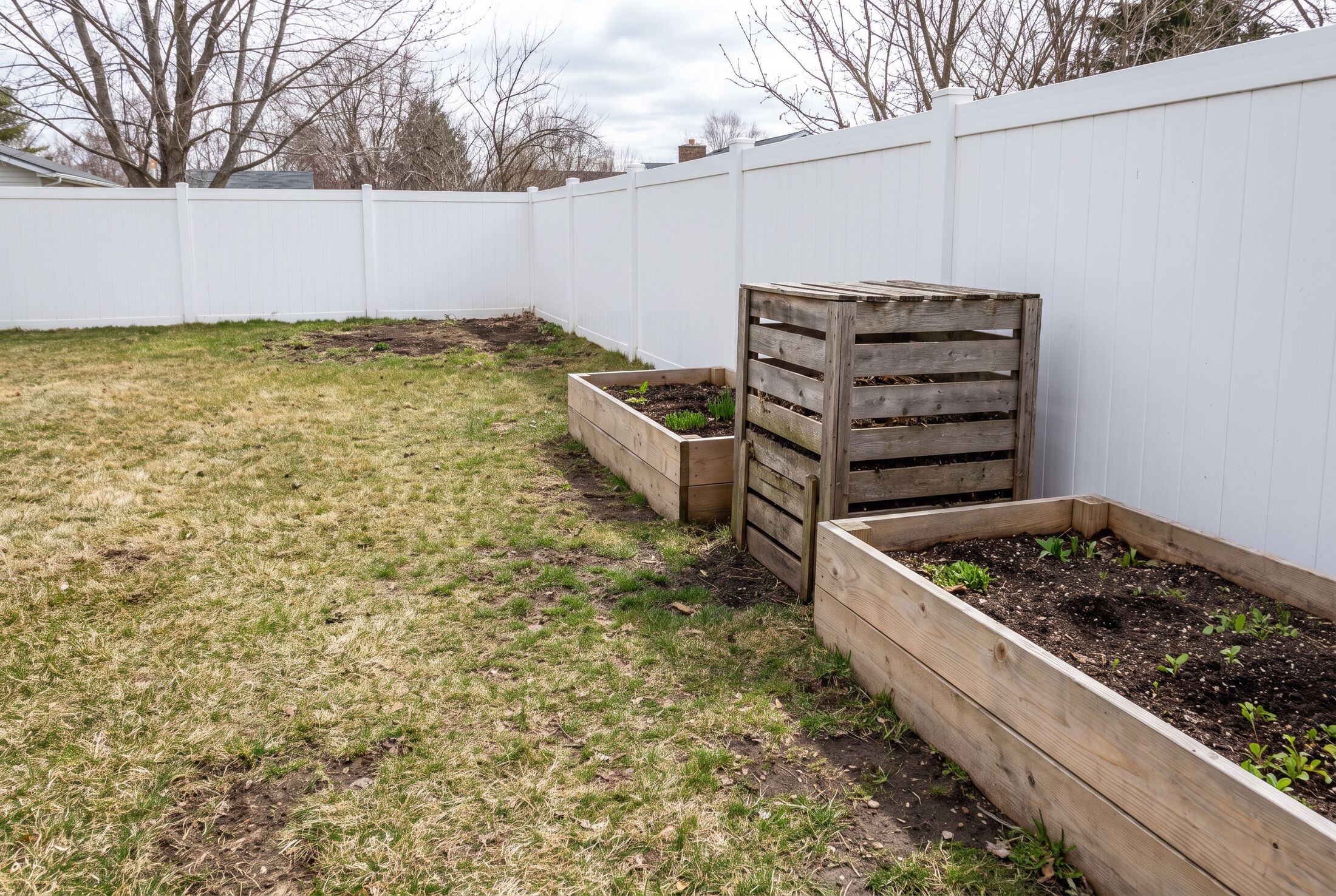
You compost. You read labels. You’d rather feed the soil than chase a quick green-up, but “organic” on a bag doesn’t tell you much.
On a fertilizer label, “organic” has a narrow technical meaning: the material contains carbon plus a plant nutrient. The regulators’ model term “natural organic” is stricter and excludes synthetics, and the University of New Hampshire notes there are currently no standards for organic turf management that a homeowner could follow.6, 5
So it’s fair to ask what’s actually going down and what to expect from it. An honest answer includes the limits, and that’s the one you’ll get here.
Natural-source fertilizers come from animal manures and other once-living material. Penn State explains that soil microbes release the nitrogen, so temperature, moisture, oxygen and pH all affect the pace.1, 2
Cornell says warm, moist soil with microbial activity is needed to release nutrients, so an organic program responds slowly in cool weather.3
Ohio State says organic methods take longer to produce visible results in most cases.1
University of Illinois Extension says turfgrass doesn’t care whether nitrogen comes from an organic or synthetic source. It also says organic products help feed soil microorganisms and are considered non-burning.4
Cornell notes that nitrogen from organic sources is usually more expensive. Penn State adds that these products are generally low in nitrogen and almost always contain phosphorus.3, 2
Ohio State says limited scientific research has been done on exclusively natural organic lawn programs. Anyone promising organic will outperform everything else is overselling it.1
You don’t know what’s really in the product.
Bob tells you what he’s applying and whether it’s fully natural-source or a blend.
Organic didn’t seem to work last time.
He times applications for warm, moist soil, when microbes can actually release the nutrients.
You don’t want phosphorus your lawn doesn’t need.
He checks the program against a soil test, since organic products almost always contain it.
You want honest expectations.
He’ll explain the slower pace and higher cost up front, so you can decide if it’s right for your yard.
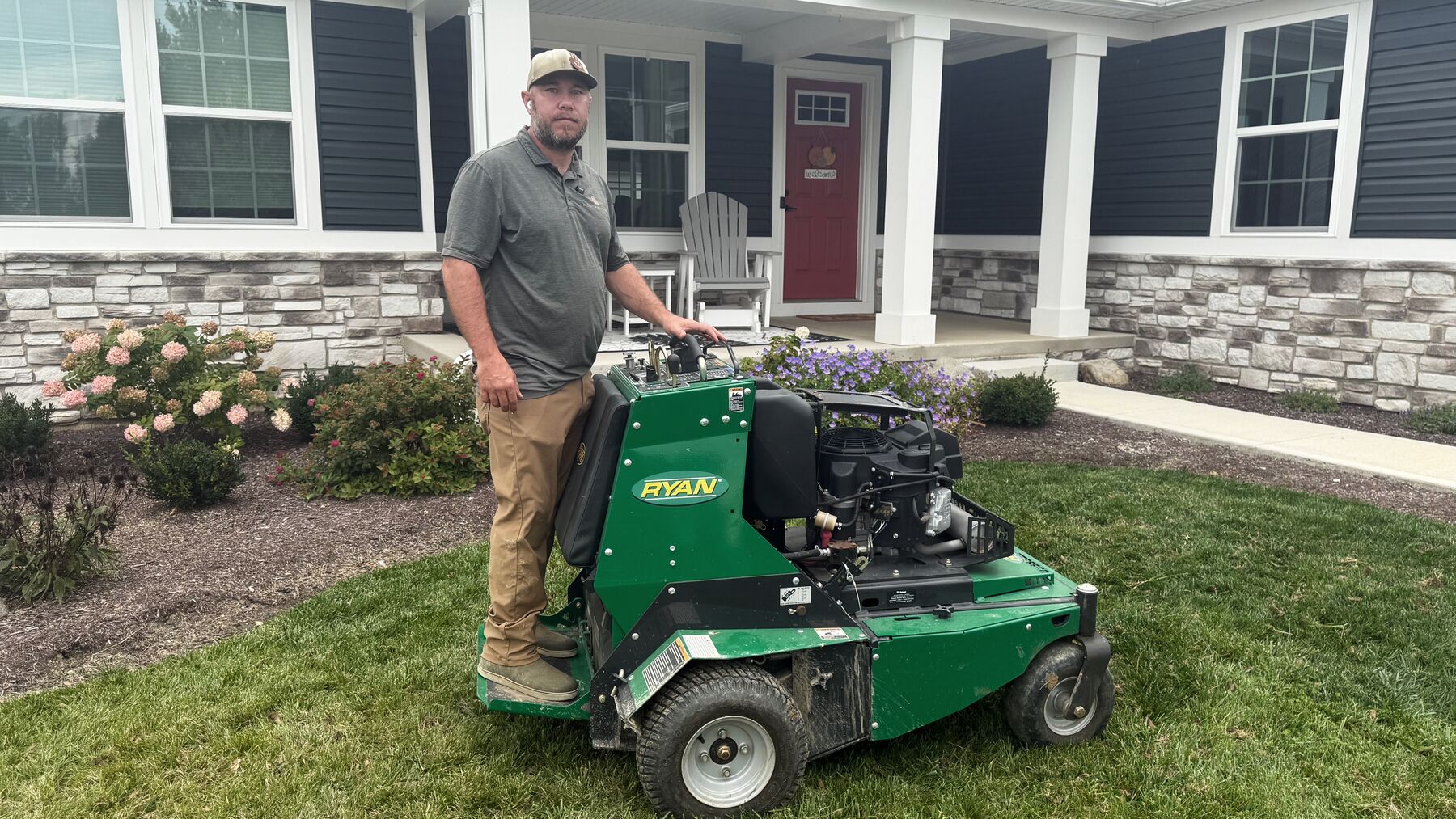
Bob will walk your property and write your 2027 plan for free, whether you hire him or not.
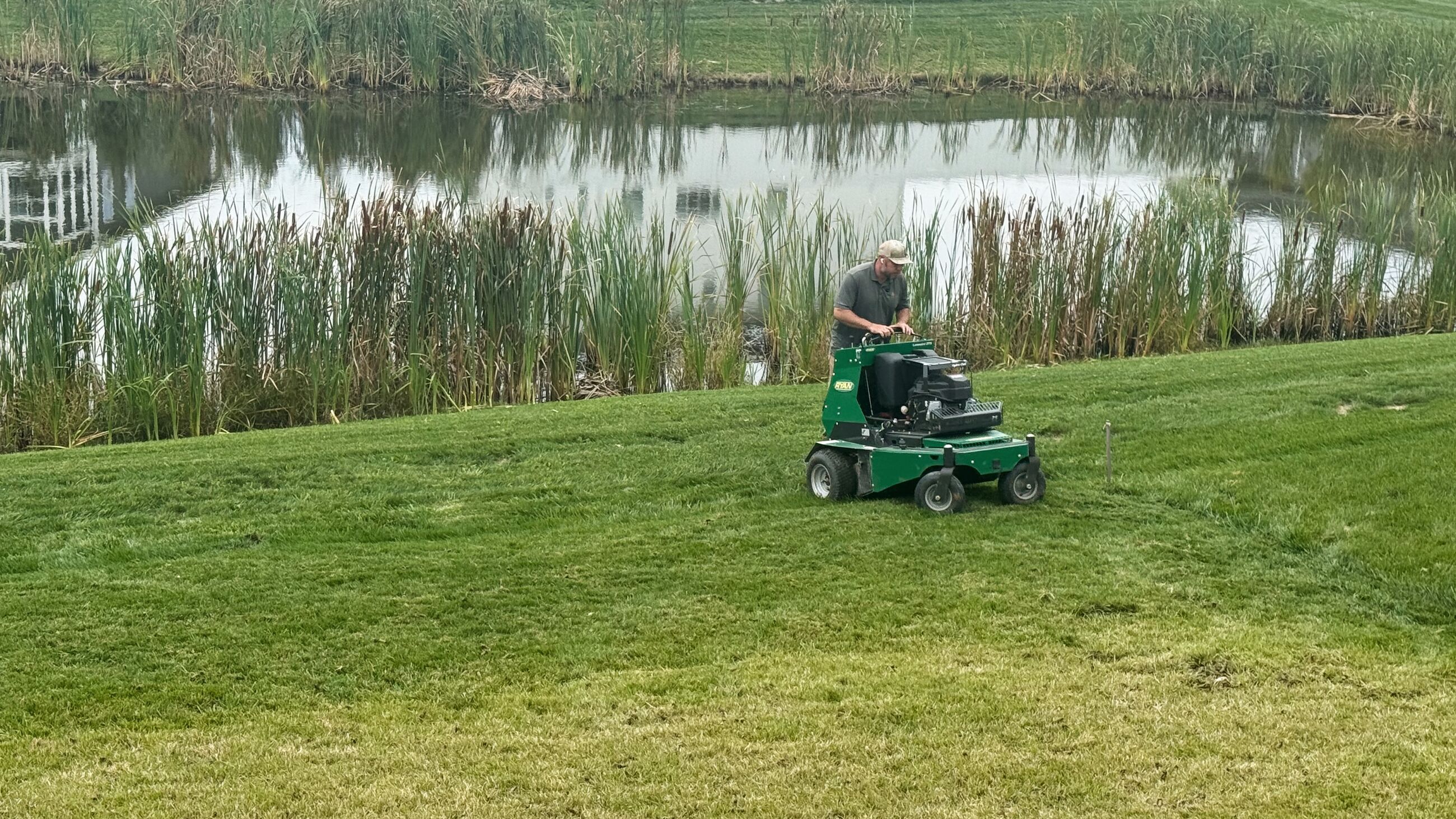
You’ll know what’s going on your lawn, why it’s going down then, and what to expect from it.
Tell Bob a little about the property. He’ll walk it, write the plan and go over it with you at no cost, whether you hire him or not. Would you rather talk it through?
(330) 636-6089