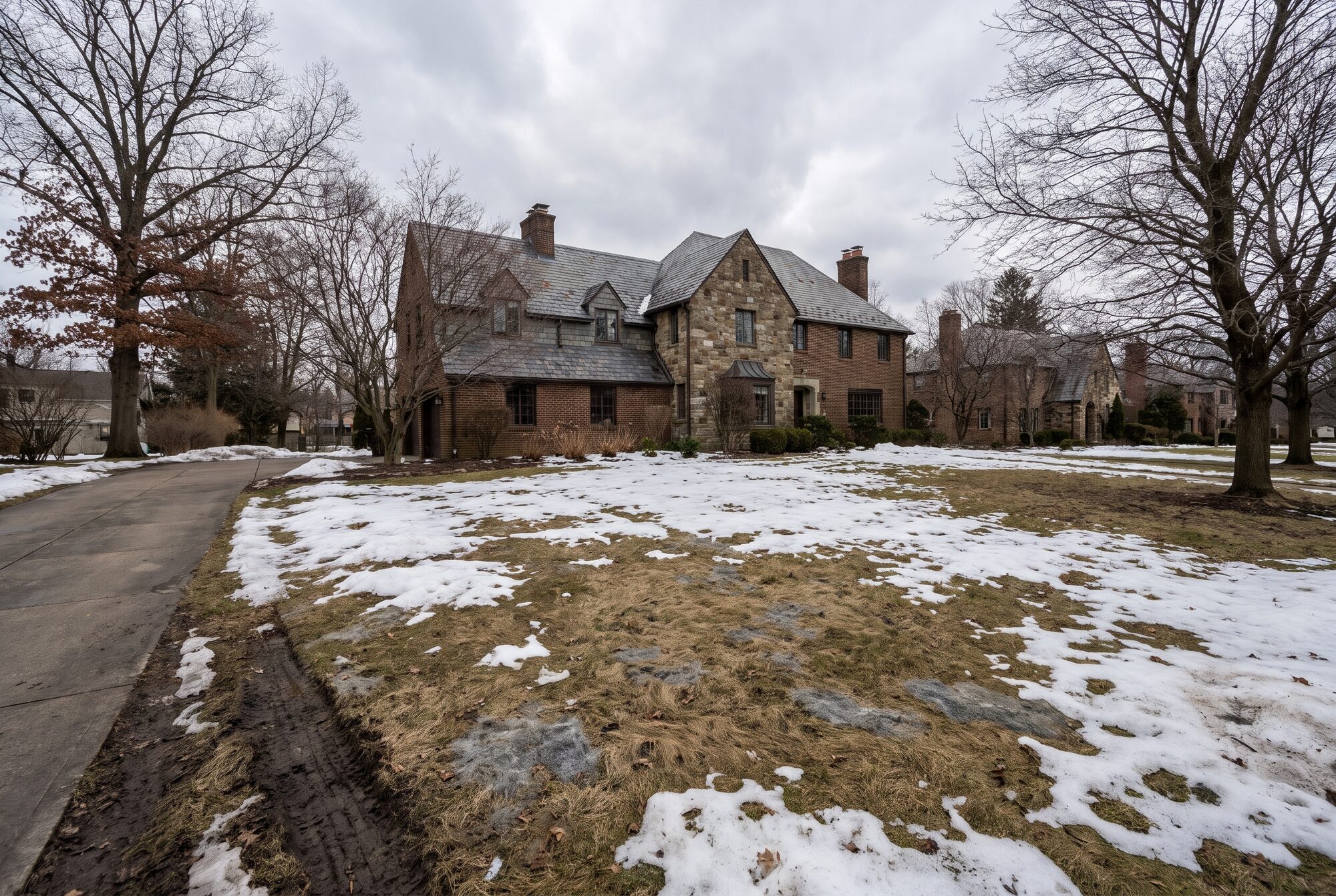
Old snow melting off the matted, tan front lawn of a large brick and stone home in late March
The Buckeye Plan

By the time the snow’s gone, your spring is already decided.

Most people start thinking about the lawn when it turns green. By then the crabgrass barrier should already be down, and the seed decision has been made for you. Let Bob write your 2027 plan this winter, for your home or your commercial property, free.

A lawn program off the shelf doesn’t know your yard.

You can get a price for a program from almost anyone. The price just doesn’t tell you what’s under your grass, which parts should be seeded, or what could wait a year.

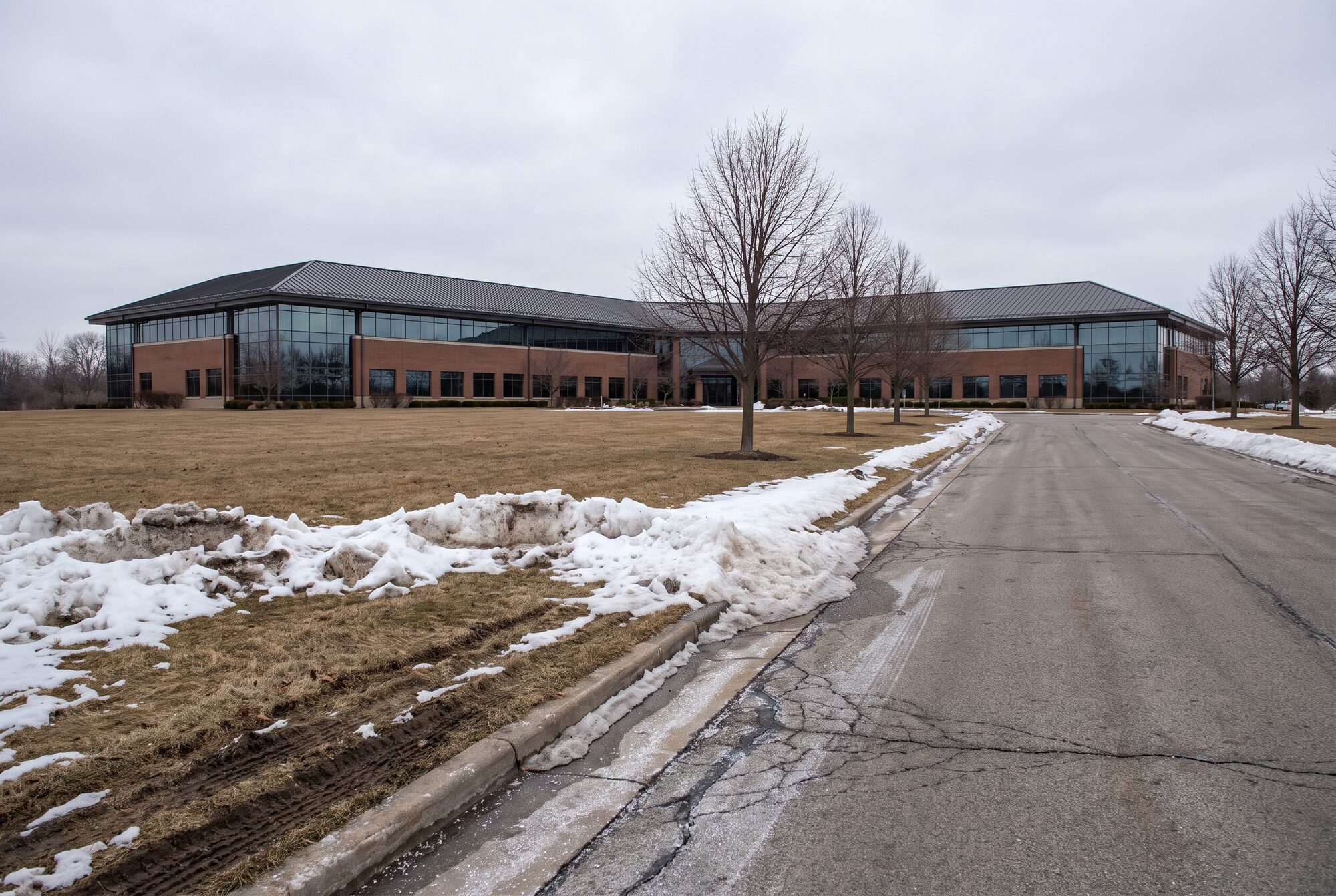
A new-build lot on clay, an older yard with good soil and a twelve-acre corporate frontage need very different things at very different times. So Bob writes it down, for your property, before anyone sprays anything.

The plan is free. You pay only if you hire him to do the work in it.

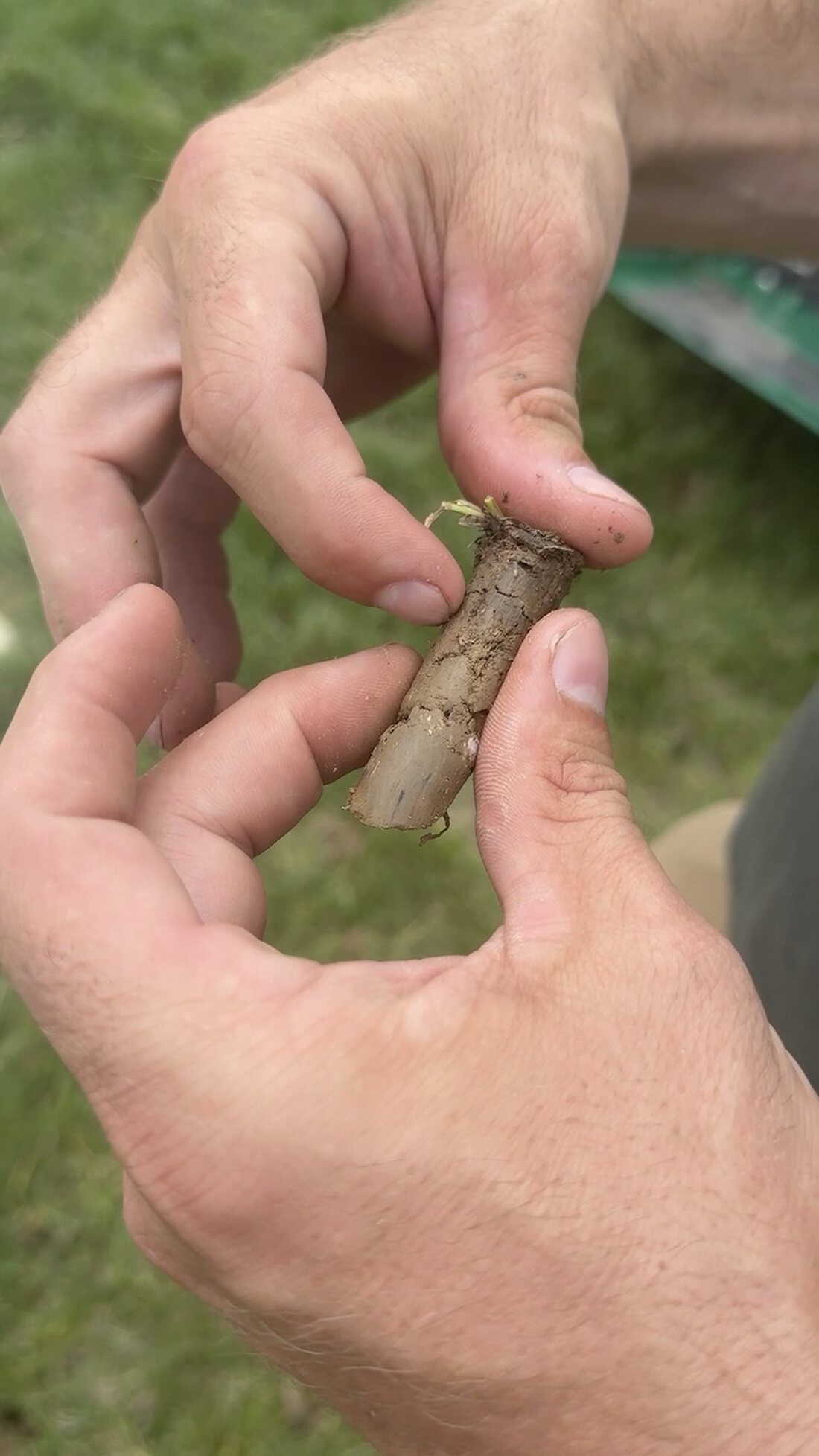
Bob Raeke breaking apart a soil plug in his hands to show the layers
The research

Why spring can’t be planned in spring.

Seed or block. Not both.

Ohio State says the usual crabgrass preventers also stop turfgrass seed from germinating for up to four months. Purdue says to avoid them at spring seeding, with narrow exceptions. Every part of your lawn needs that decision before the first application.1, 2

54°F for 7 days

Ohio State’s marker for crabgrass germination, measured in the top inch of soil. The barrier has to be down first. After that, Ohio State says, “it will not be effective.” The clock runs on soil temperature, and not on the calendar.3

Early April

When Ohio State prefers crabgrass preventer goes down, rather than March. It’s a short window, and it arrives while snow may still be coming.4

April 8 and 9

The average last snow in Cleveland and Akron-Canton. Easter is March 28 next year, and Akron-Canton has seen snow on or after that date in 29 of the last 36 years. Waiting for the snow to finish means deciding late.5, 6

“Several months”

How long Ohio State says it can take lime to change soil pH. If the soil test says you need it, you want to know long before spring. Soil can only be sampled while it’s workable, and frozen ground isn’t.7, 8

By mid-November

When a community association with a January fiscal year typically approves its budget, per the Community Associations Institute. Your 2027 money may already be set, so the plan spends it well and gives you real numbers for the next budget.9

For your home

The Buckeye Home Plan

  • A walk with Bob and a plug in his hand

    You see the layers under your own lawn: thatch, topsoil, clay.

  • A soil reading

    What the plug shows, plus a lab test where the plan depends on it.

  • A map of your yard, zone by zone

    Each area marked: seed it, or block the crabgrass.

  • A season calendar

    Every step for the year, timed by soil temperature.

  • The cost of each step

    Priced line by line, including what could safely wait.

  • Yours to keep

    No obligation. Hire Bob, hire someone else, or do it yourself.

Get my free home plan
For your commercial property

The Buckeye Grounds Plan

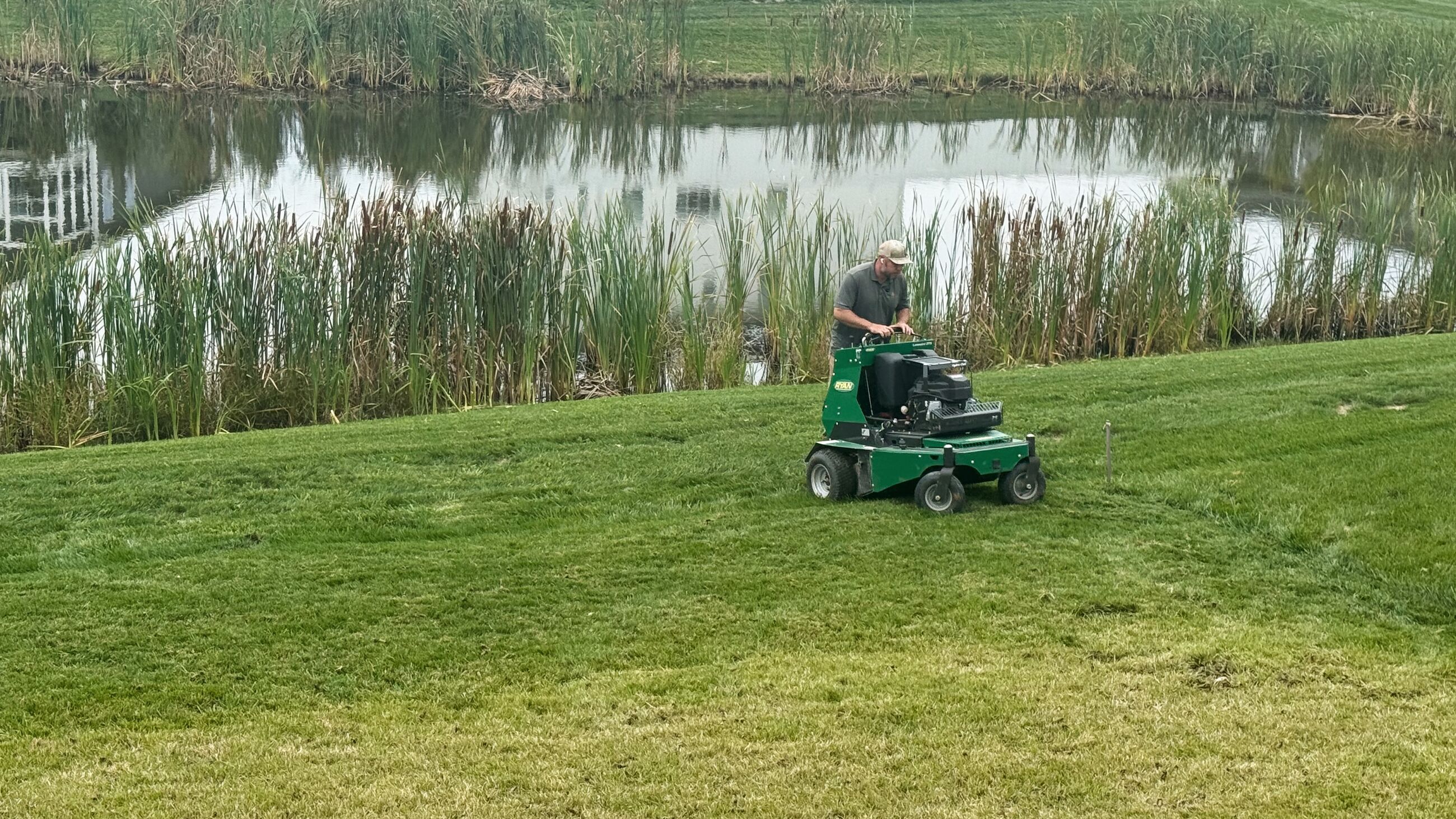
  • A site walk with plugs from each zone

    Frontage, entrances, truck routes, back acreage.

  • A written scope of work

    Clear enough to compare against any other bid.

  • A priority map

    Must do, should do, can wait. Frontage and entrances first.

  • A budget by line and by month

    In a form you can hand to an owner or board.

  • A thaw report on plow and salt damage

    What winter did to your curb lines, and what fixing it takes.

  • The paperwork, in one place

    License numbers, insurance certificate, and posting procedure. Yours to keep, no obligation.

Get my free grounds plan

Here’s what you’ll be holding.

Sample home plan

A sample half-acre lawn on clay

Front lawn thin with crabgrass. Dead strip along the drive. Topsoil under an inch.

The map

  • Front lawnBlock crabgrass
  • Strip along the driveSeed
  • Back yardBlock crabgrass

The calendar

WhenWhatWhyCost
Now to freeze-upSoil still workableWalk the lawn, pull plugs, take the soil sampleYou can’t sample frozen ground$ in your plan
At the thawSnow goneCheck for snow mold, vole runs and salt burn along the driveWinter damage changes the spring list$ in your plan
Early AprilBefore soil holds 54°FCrabgrass preventer on the front and back. A seed-safe product on the strip being seededToo late means it doesn’t work$ in your plan
April to MayGreen-up, weeds growingLight slow-release feeding and spring broadleaf roundFall is the main feeding, so spring stays light$ in your plan
Late May to mid-AugustGrub activityPreventive grub treatment, if your lawn’s history calls for itOhio State’s preventive window$ in your plan
Late August to SeptemberSoil moist, nights coolerCore aerate, seed thin areas, top dress the clayThe best seeding window of the year$ in your plan
OctoberWeeds storing energyFall broadleaf round and fall feedingOhio State calls fall the best time for perennial weeds$ in your plan

An illustration, not a real property. Dates move with soil temperature. Your plan is written for your ground, by Bob.

Sample commercial plan

A sample 12-acre office campus

Frontage thinning, plow damage along the entry drive, compacted strip beside the truck route.

The map

  • Frontage and entrancesMust do
  • Truck route and parking edgesShould do
  • Back acreageCan wait

The calendar

WhenWhatWhyCost
Now to freeze-upSoil still workableSite walk, plugs in each zone, soil samples, written scope and budgetNumbers in hand before the season starts$ in your plan
At the thawSnow goneThaw report: plow scars, salt burn along curbs, snow moldOhio State says salt keeps roots from taking up water$ in your plan
Early AprilBefore soil holds 54°FCrabgrass preventer on the frontage. Seed-safe program on repair zones. Posted and recordedSeed and preventer have to be planned together$ in your plan
April to MayGreen-up, weeds growingFeeding and broadleaf control, frontage first, scheduled around your hoursWhat people see gets done first$ in your plan
Late May to mid-AugustGrub activityPreventive grub treatment on high-value zonesTreat what you can’t afford to lose$ in your plan
Late August to SeptemberSoil moist, nights coolerCore aerate the traffic areas, overseed, soil corrections from the testOhio State favors fall aeration on heavy clay$ in your plan
October to NovemberNext year’s budgetFall round, year-end review and numbers for next year’s budgetA board can plan from real figures$ in your plan

An illustration, not a real property. Dates move with soil temperature. Your plan is written for your ground, by Bob.

  1. Ask for your plan

    A short form or a phone call. Your address is all Bob really needs to start.

  2. Bob walks the property

    He pulls plugs while the ground is workable. If it’s frozen, he starts from what he can see and the soil data, and pulls plugs at the thaw.

  3. He goes over it with you

    At your kitchen table, in your office or in front of your board.

  4. You decide

    Hire Bob to do all of it, part of it, or none of it. The plan is yours.

Questions people ask.

Is it really free?

Yes. The walk, the plan and the meeting to go over it cost you nothing. The treatments in the plan are priced in the plan, and you decide what, if anything, to buy.

Why would Bob do that?

Because it’s the most honest way to show you how he works. If the plan makes sense, you’ll probably want him to do it. If you don’t, you’ve still got a plan.

What’s the difference between this and a quote?

A quote tells you what a program costs. A plan tells you what your property needs, why, and when, and then what it costs.

The ground’s frozen. Is it too late?

No. Bob can start the plan from a walk, what he can see, and the USDA soil data for your address. He’ll pull plugs as soon as the ground gives, and adjust the plan if the soil says otherwise.

Can I use it to get other bids?

You can. That’s what “yours to keep” means. For commercial properties, the written scope is meant to be compared.

I’m on an HOA board. Can Bob come to a meeting?

Ask him. The plan is written so that a board can read it without a turf background, with priorities and costs on one page.

What changes for you

The snow melts, and you already know what happens next.

No guessing in April, no scramble for someone to call, and no surprise on the budget. Just a plan that’s already underway.

Sources

  1. Early Spring Lawn Care. Sherratt, Carr & Gardner, Ohio State University, 2025.
  2. Spring seeding guidance (AY-20). Purdue University.
  3. Managing Crabgrass in Turf. Stachler, Ohio State University, BYGL, 2018.
  4. Buckeye Turf Newsletter, Winter 2025-2026. Ohio State University, 2026.
  5. How much snow has fallen in Ohio? (citing National Weather Service averages). Cincinnati Enquirer, 2026.
  6. Daily snowfall, Akron-Canton (USW00014895), 1991 to 2026. The count is our calculation. NOAA National Centers for Environmental Information.
  7. Lime and the Home Lawn (HYG-4026). Ohio State University, 2021.
  8. Soil Testing for Horticultural Needs (HYG-1132). Ohio State University, 2025.
  9. Community Association Budgeting Basics. Community Associations Institute, 2022.

Get your free 2027 plan.

Tell Bob a little about the property. He’ll walk it, write the plan and go over it with you at no cost, whether you hire him or not. Would you rather talk it through?

(330) 636-6089
Type of property
What are you interested in? Choose any that apply.

Call (330) 636-6089Free plan