pH 6 to 7
Ohio State’s ideal range for home lawns. Below 6, several nutrients become less available. At 5.5 or lower, Penn State warns of calcium, magnesium or phosphorus deficiency and possible aluminum or manganese toxicity.1, 2

Seed. Fertilizer. More water. If the grass still won’t cooperate, you may be treating the top of a problem that starts underground. Penn State says it plainly: you can’t tell what soil needs just by looking at it.
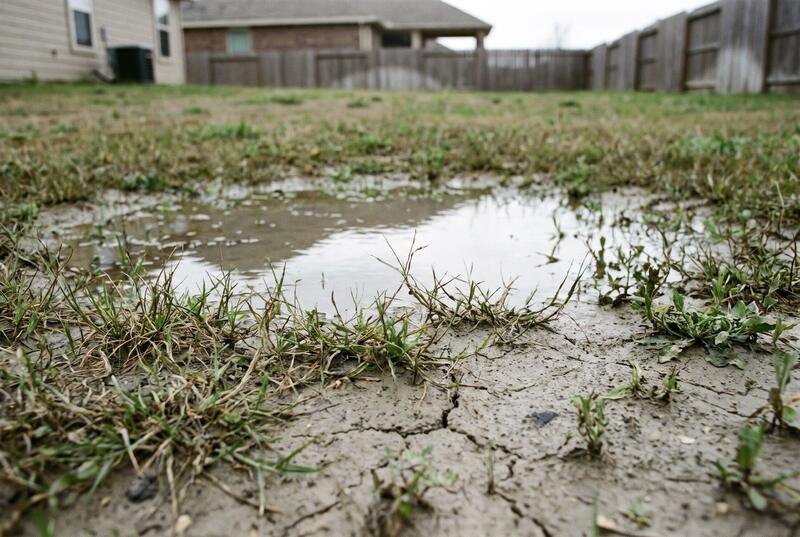
USDA soil data shows about half of Medina County’s mapped acres are rated somewhat poorly to very poorly drained. Its most extensive soil is Mahoning, with a clay-heavy subsoil and a strongly acid surface when unlimed. The Ohio Division of Geological Survey describes a silty, clayey till across most of the county, though the southeast is better drained.6, 7, 8
New construction adds another layer. Michigan State’s Paul Rieke wrote that a high percentage of lawns for new homes and developments are established on subsoil, low in organic matter, where roots stay shallow and turf thins out. He noted sod can look good at first. Penn State confirms subsoil is often severely compacted by construction.9, 10
Ohio State’s ideal range for home lawns. Below 6, several nutrients become less available. At 5.5 or lower, Penn State warns of calcium, magnesium or phosphorus deficiency and possible aluminum or manganese toxicity.1, 2
Ohio State says acidic soil is more likely in eastern Ohio, that lime should go down only when a test calls for it, and that pH can take several months to change.1
A standard test typically reports pH, cation exchange capacity, and available phosphorus, potassium, calcium and magnesium. Soil texture is usually an add-on.3, 4
Ohio State’s sampling method for established turf. Different areas of a yard should be tested separately if their soil differs, and new seed or sod calls for 6 to 7 inches.4
Ohio State’s retest schedule for clay soils. Penn State suggests every 2 to 3 years for professional programs.4, 5
Ohio State says soil tests take the guesswork out of fertilizer decisions, and that guessing wastes money. Soil tests don’t cover everything, though: compaction takes separate tests.4, 3
Nobody knows what your soil has or lacks.
Bob sends a properly collected sample to a lab and goes over the results with you.
You’ve never seen what’s under your grass.
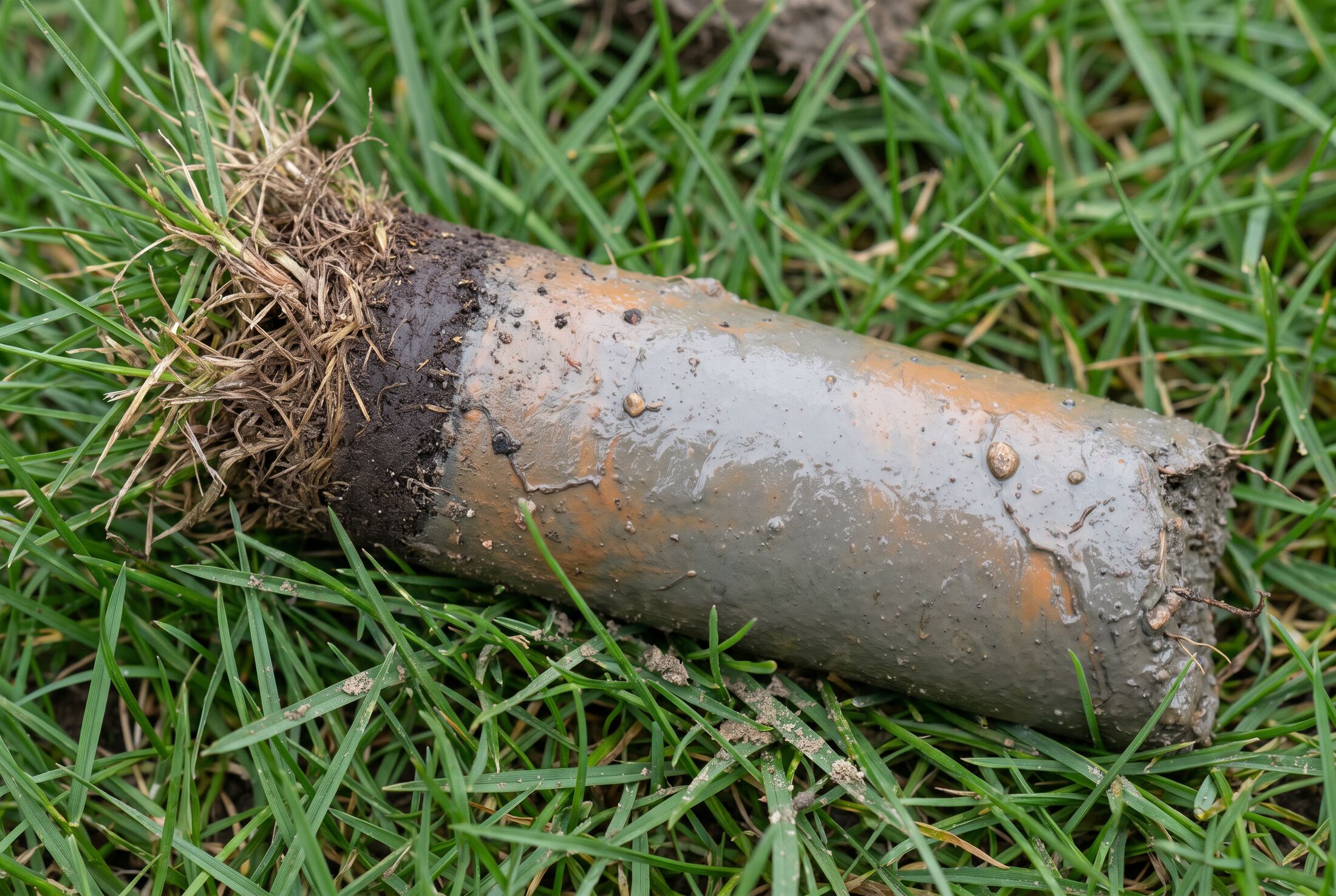
He’ll pull a plug and show you the layers. It shows what a lab report can’t, and the lab shows what the eye can’t.
Your pH may be off.
He applies lime only if the test calls for it, and tells you it takes months.
You may be paying for what you don’t need.
He fertilizes to the test, leaving out phosphorus or potassium when levels are already high.
One section of the yard behaves differently.
He’ll sample it separately, since a single average can hide the problem.
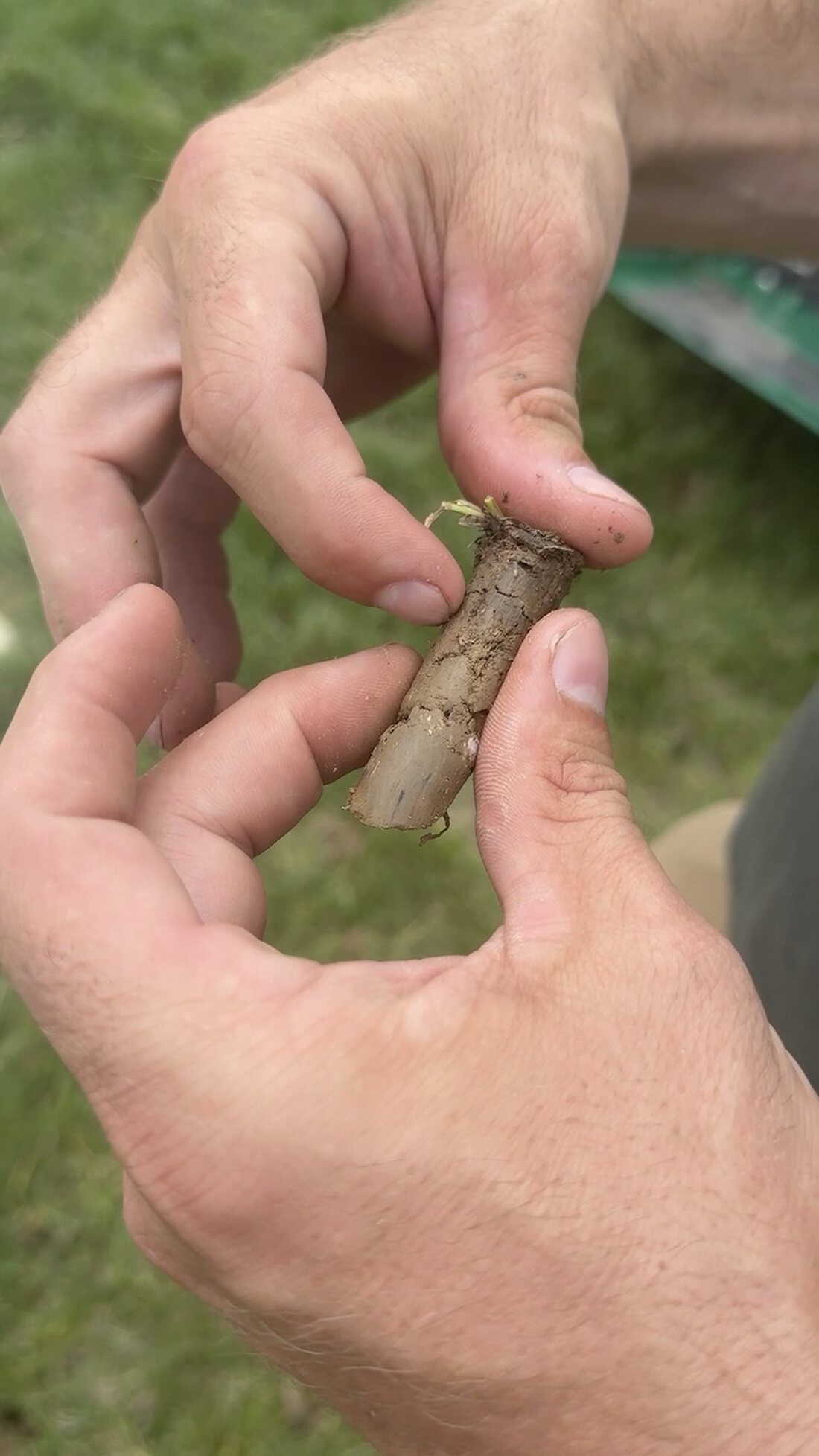
“A little bit up here is going to be your topsoil. You can kind of see it break up a little bit easier than the clay down here.”
Bob breaking open a plug from a customer’s lawn: “A little bit up here is going to be your top soil.” Below it, the clay holds together in a dense, dry block.
Bob will walk your property and write your 2027 plan for free, whether you hire him or not.
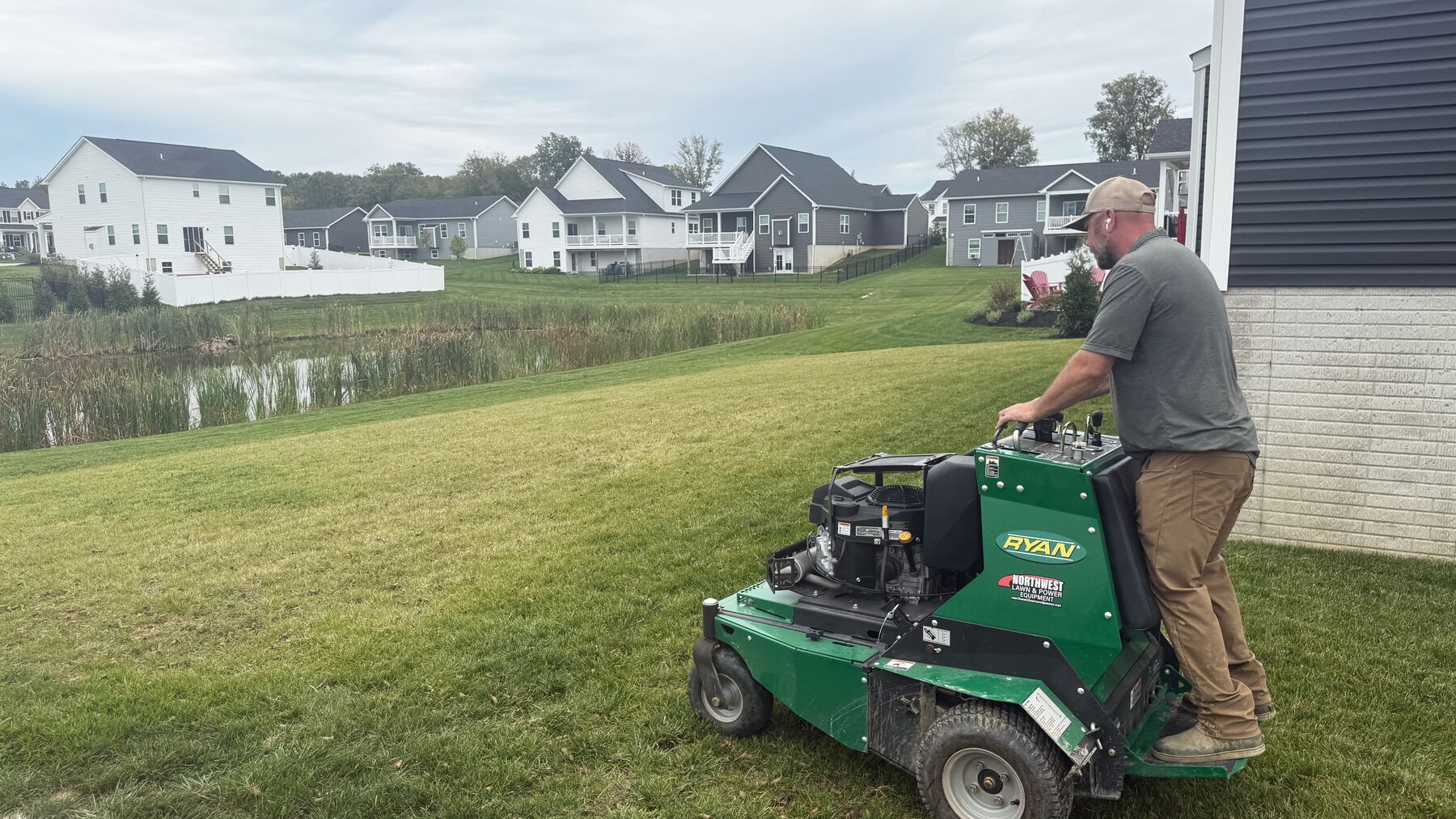
You’ll know more about why your lawn looks the way it does, and every recommendation after that has a reason behind it.
Tell Bob a little about the property. He’ll walk it, write the plan and go over it with you at no cost, whether you hire him or not. Would you rather talk it through?
(330) 636-6089